DevOps
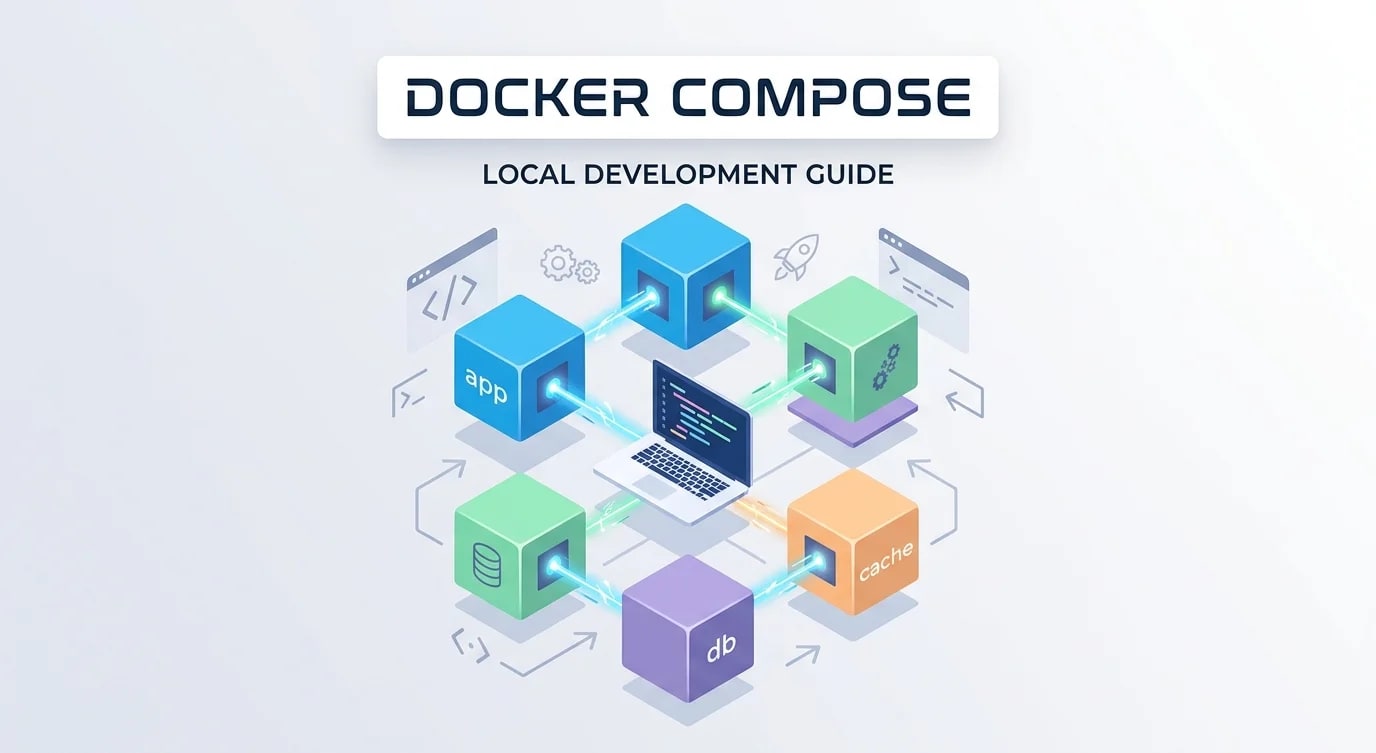
Docker Compose for Local Development: A Complete Guide
How to build a productive Docker Compose setup for local development with hot reloading, database persistence, and parity with production.
·4 min read
Categories
Pipelines & infrastructure · 34 articles · Page 3 of 3
How to build a productive Docker Compose setup for local development with hot reloading, database persistence, and parity with production.
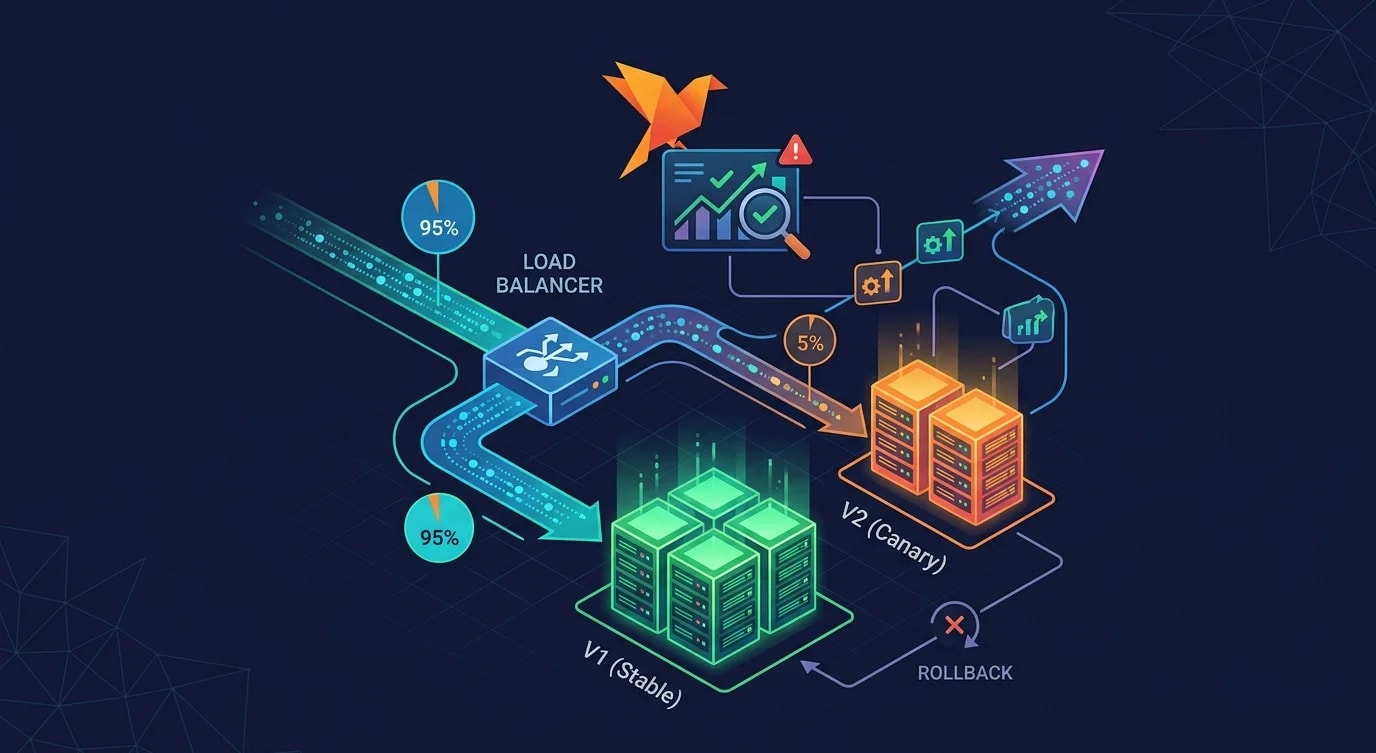
Canary deployments shift a small share of traffic to the new version and roll back automatically when error rates spike — how to implement them safely.
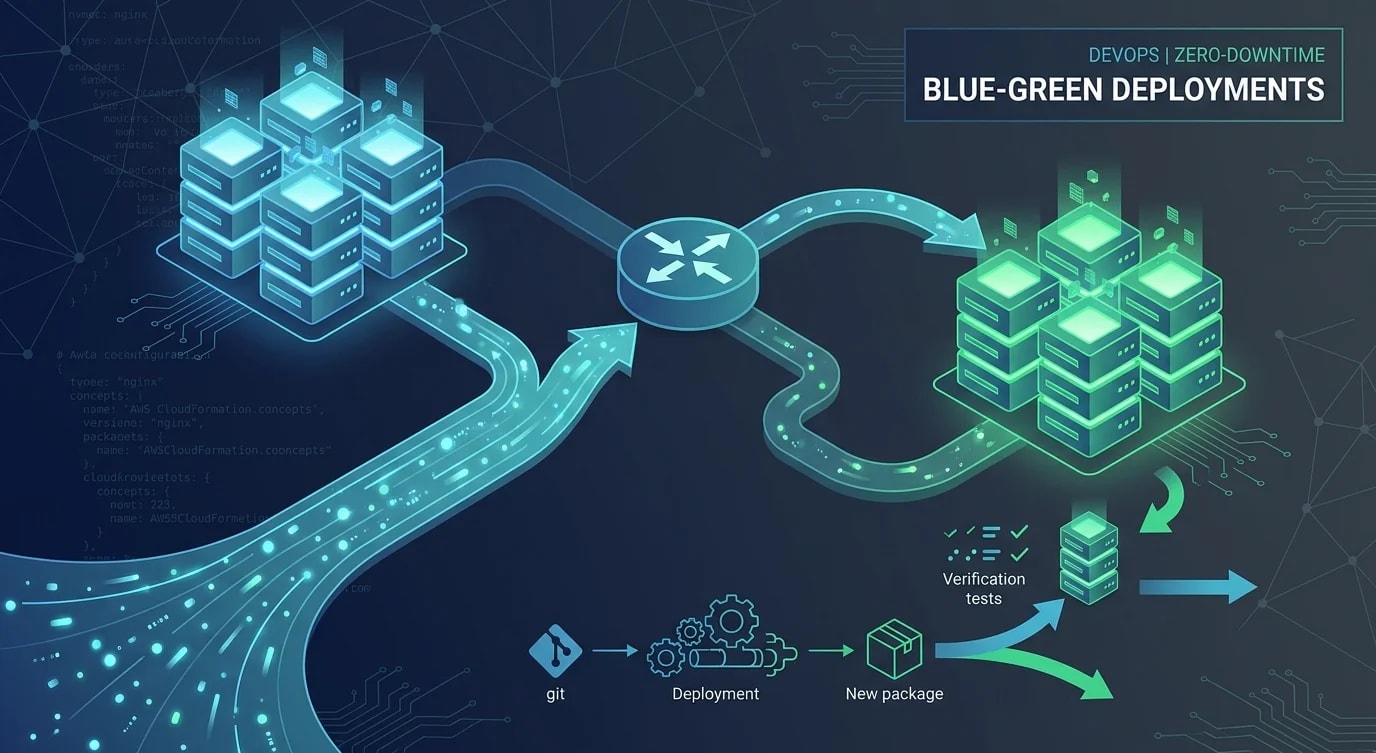
Blue-green deployments remove release anxiety by running two identical production environments and switching traffic instantly — here is how to do it.

Service Level Objectives turn vague reliability goals into measurable contracts: how to define SLIs, set SLOs and use error budgets to balance velocity.
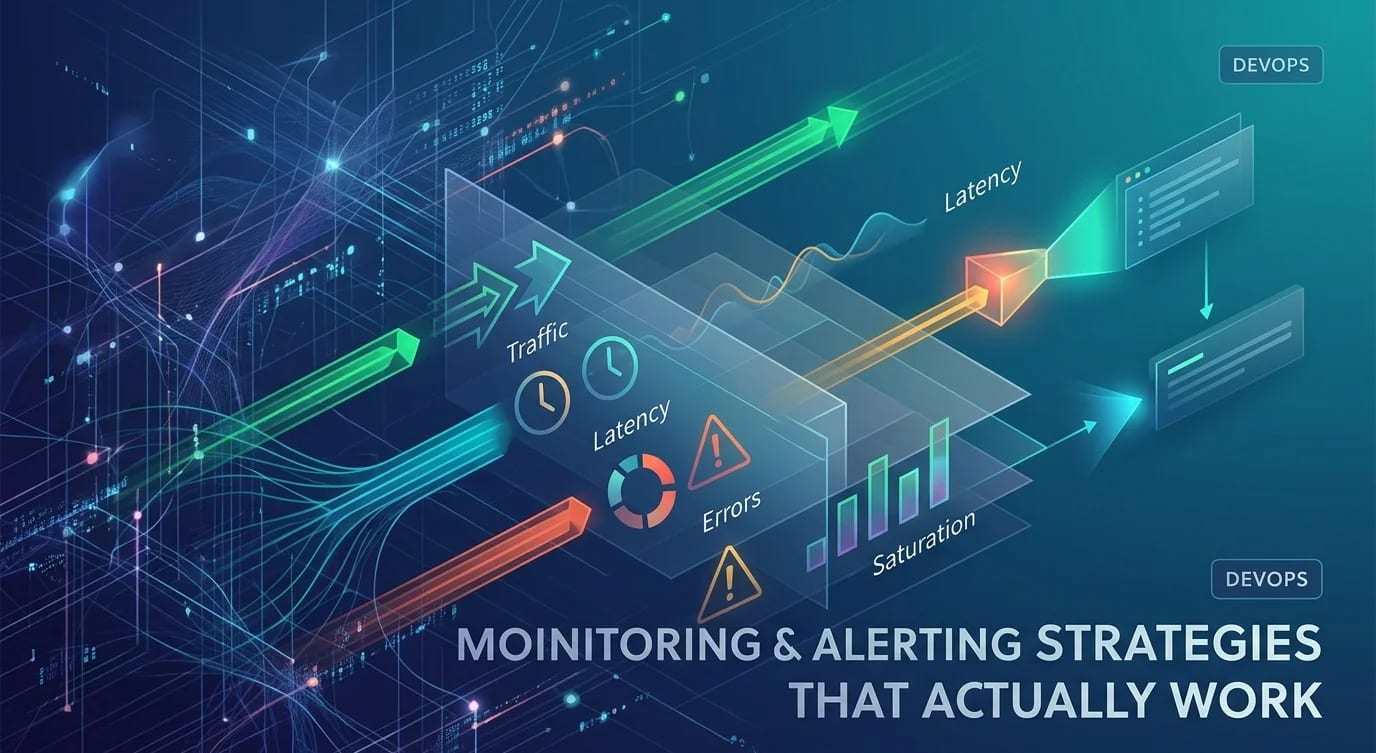
Alert fatigue kills incident response — build a monitoring strategy around SLIs, meaningful thresholds, and actionable alerts instead of noisy dashboards.

Workspaces, remote state, module registries and code review workflows — the patterns that keep Terraform manageable when a whole team touches infrastructure.

Treat infrastructure like application code — version it, review it, test it, and deploy it through a pipeline instead of clicking through consoles.
Running one container is easy; orchestrating hundreds across hosts needs scheduling, networking, service discovery and self-healing — that is Kubernetes.

Cold starts are the hidden tax of serverless — understand what causes them, how much they cost in latency, and practical strategies to keep functions warm.

Stop scattering process.env calls across your codebase — validate, type, and centralize environment configuration for safer deployments.