
DevOps
Infrastructure Testing Patterns with Terratest and Pulumi
Practical infrastructure testing with Terratest and Pulumi: from unit-testing resource configuration to integration tests against real cloud environments.
·4 min read
Categories
Pipelines & infrastructure · 34 articles · Page 2 of 3
Practical infrastructure testing with Terratest and Pulumi: from unit-testing resource configuration to integration tests against real cloud environments.

GitOps with ArgoCD for Kubernetes: the application-of-applications pattern, secret handling, drift detection, multi-cluster sync and progressive rollouts.

Design internal developer platforms that abstract infrastructure, offer self-service, cut cognitive load on application teams and speed up delivery.

GitOps workflows built on declarative configuration and Git-driven pipelines that bring version control, auditability and reproducibility to Kubernetes.

Master Kubernetes network policies to control pod-to-pod traffic, implement microsegmentation, and build defense-in-depth for your cluster workloads.

A hands-on guide to instrumenting Node.js with OpenTelemetry: traces, metrics and logs via auto-instrumentation, custom spans, context and exporters.

How to set CPU and memory requests and limits in Kubernetes correctly, avoiding OOMKills, CPU throttling and wasted cluster capacity.
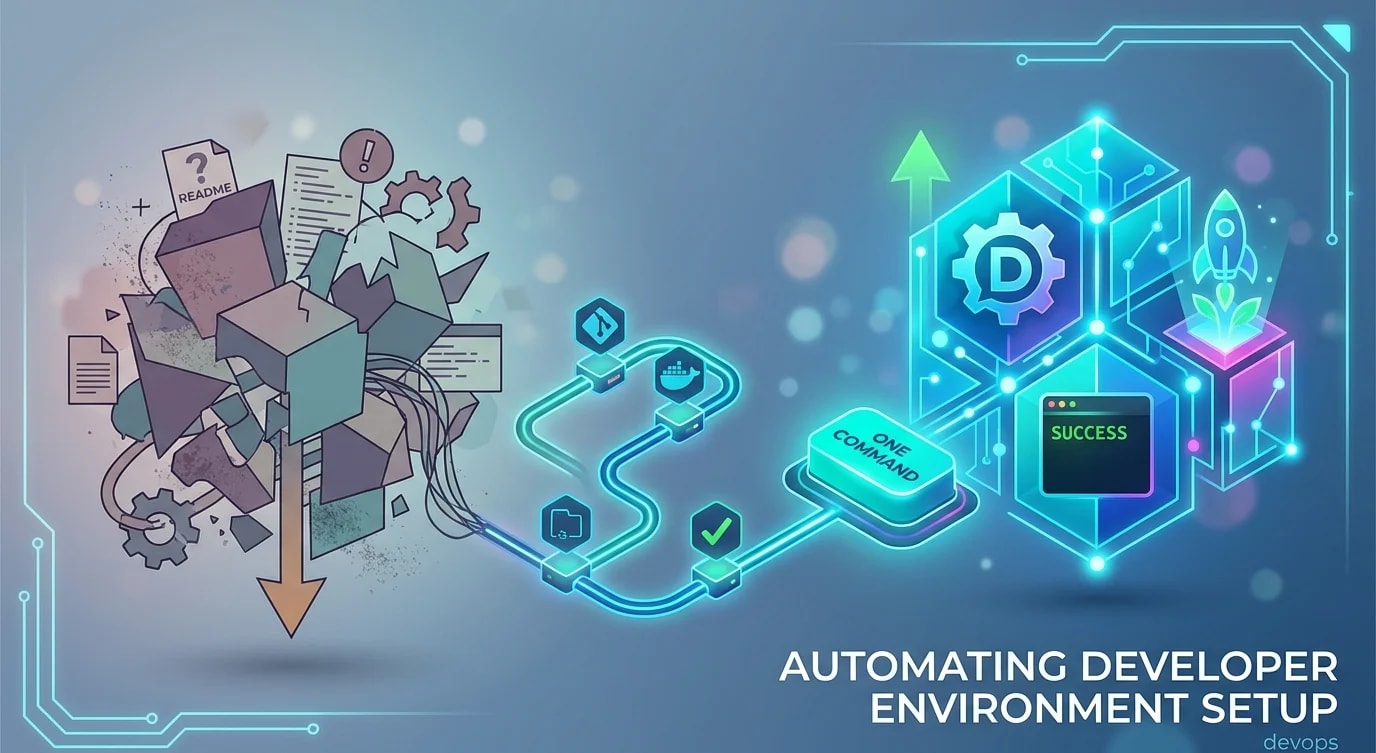
How to go from two-day onboarding to twenty minutes with Dev Containers, shell scripts and infrastructure-as-code for one-command environments.
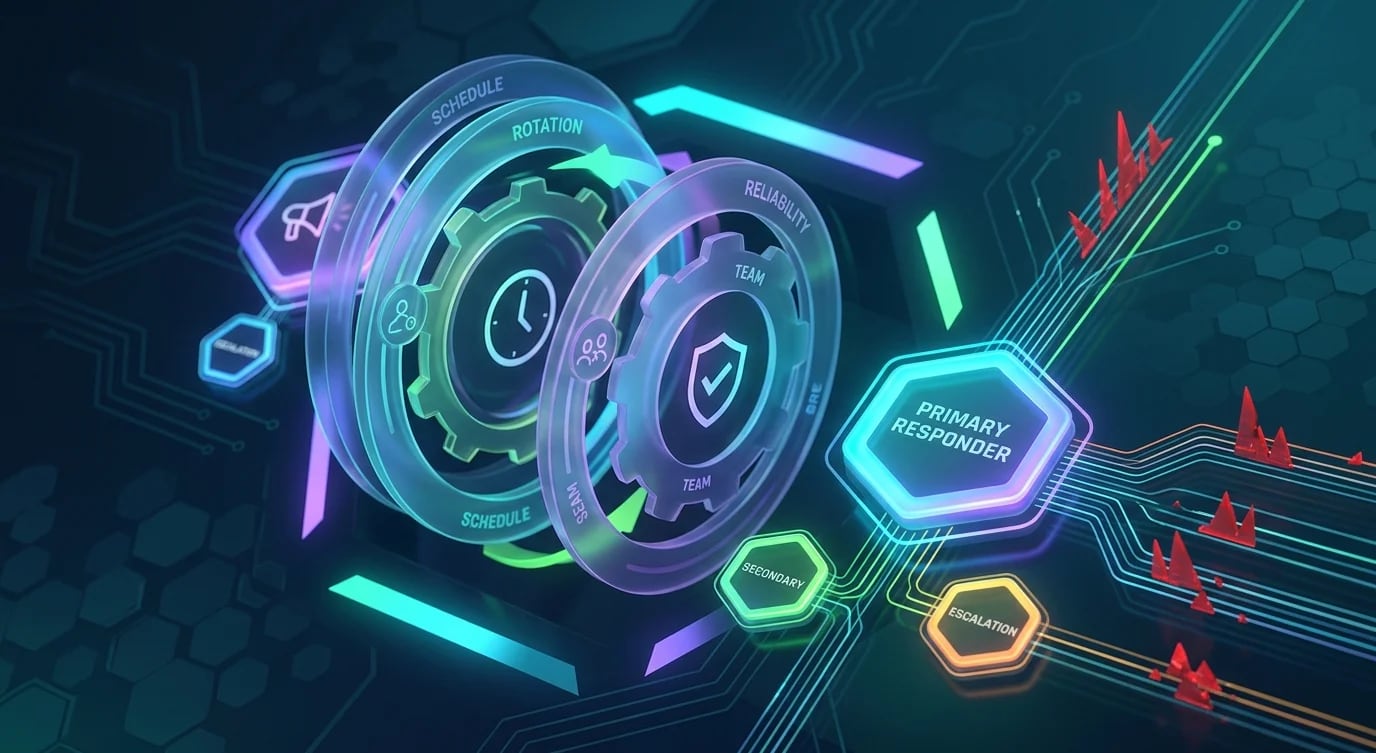
How to build on-call rotations that keep systems reliable without burning out the team: scheduling, escalation policies, runbooks and incident response.

How to build a complete observability stack, connecting distributed traces, structured logs and metrics to debug production faster than monitoring alone.

Practical GitHub Actions patterns for automating CI/CD, code quality checks, dependency updates, and release workflows — with reusable workflow examples.
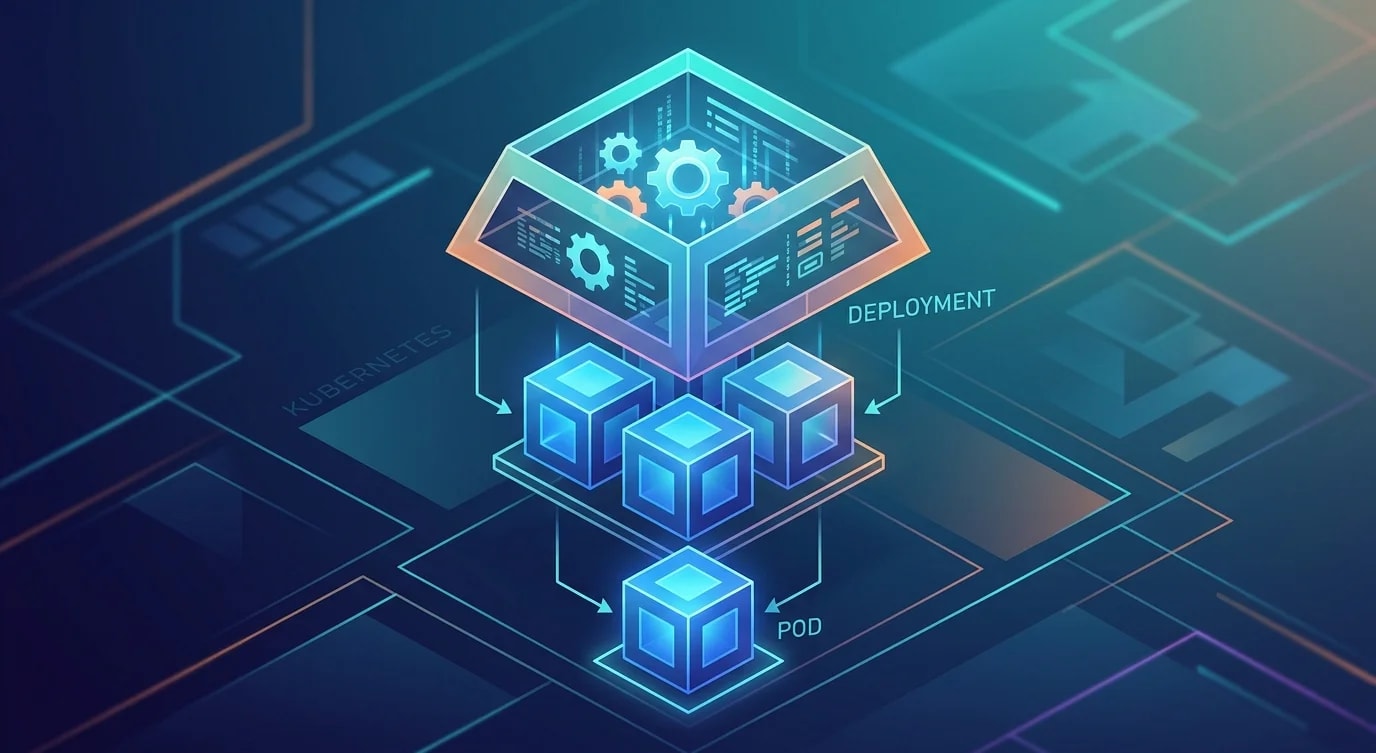
A hands-on guide to Kubernetes Pods, Deployments, and Services — covering the core abstractions you need to run production workloads.