DevOps
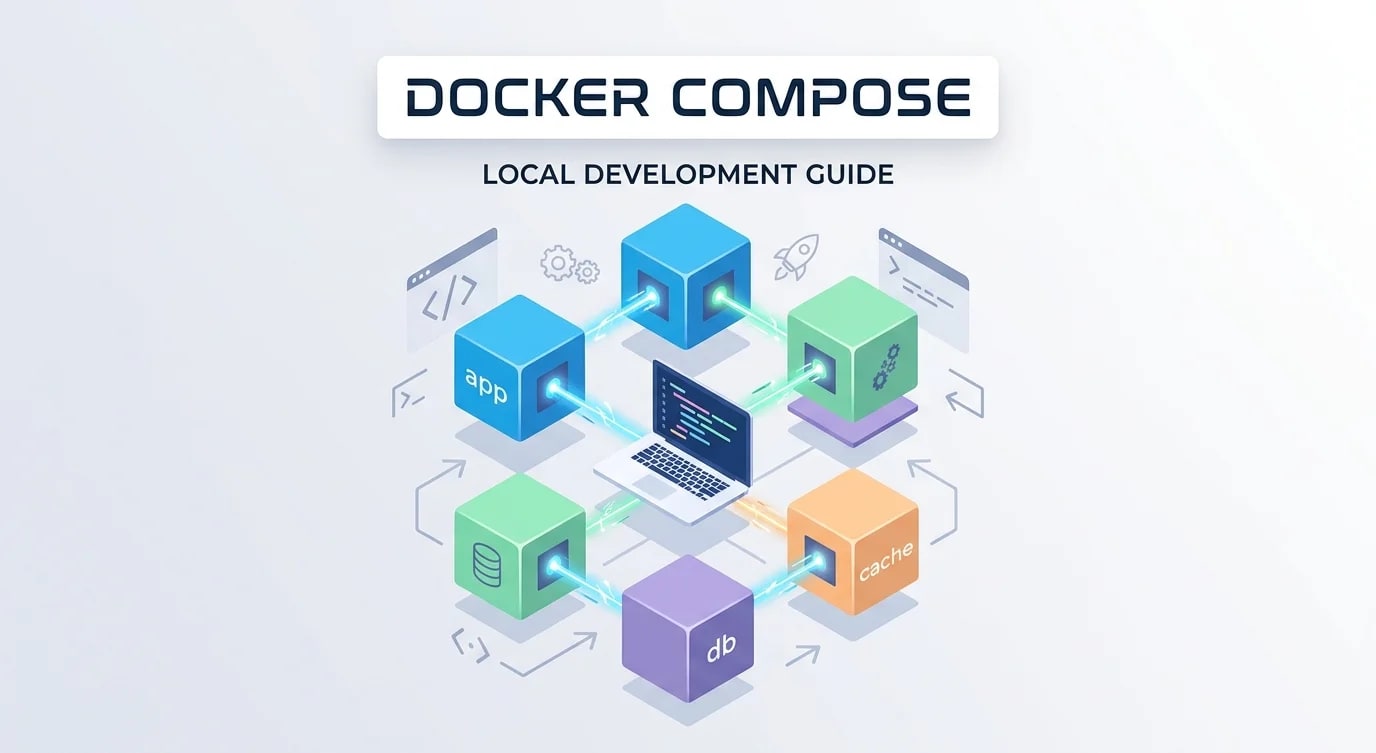
Docker Compose for Local Development: A Complete Guide
How to build a productive Docker Compose setup for local development with hot reloading, database persistence, and parity with production.
·4 min read
Tags
35 articles · Page 3 of 3
How to build a productive Docker Compose setup for local development with hot reloading, database persistence, and parity with production.

Practical shell scripting patterns for automating development workflows, from basic Bash constructs to robust production scripts.
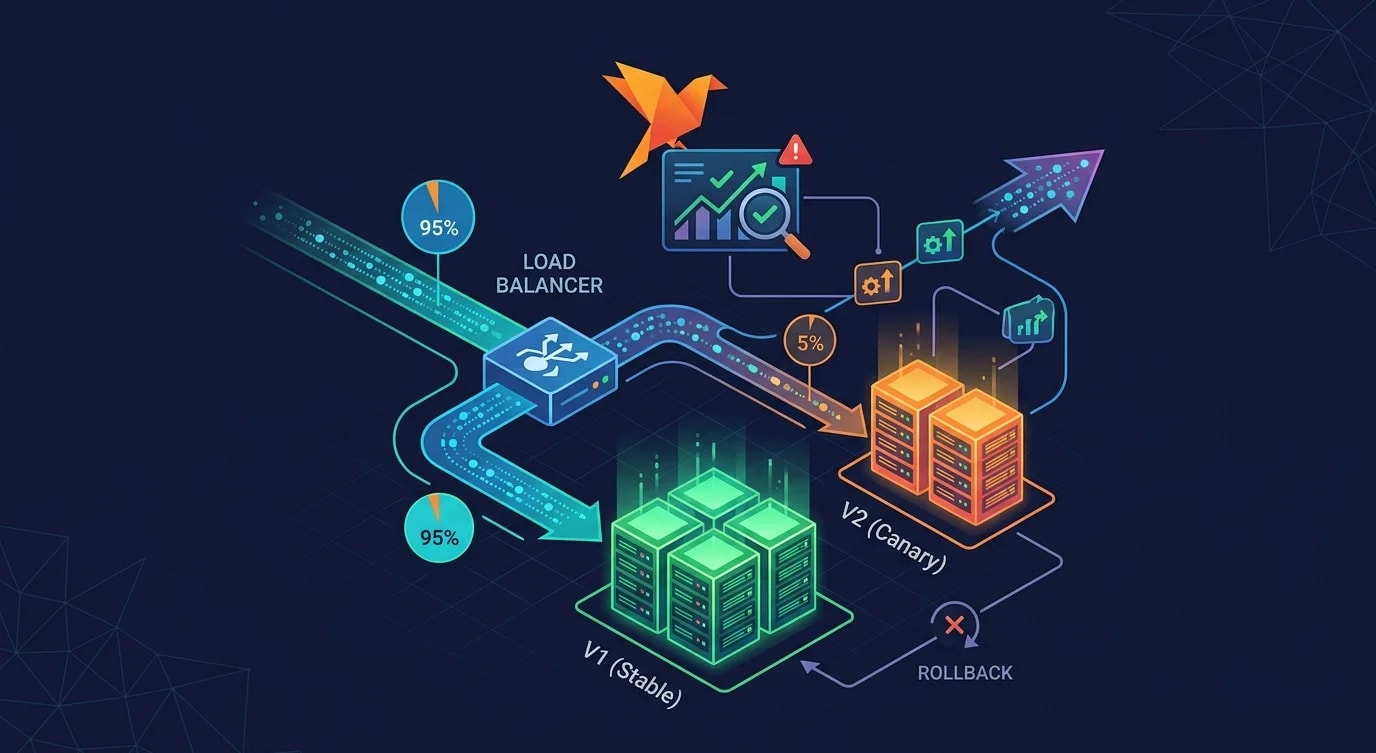
Canary deployments shift a small share of traffic to the new version and roll back automatically when error rates spike — how to implement them safely.
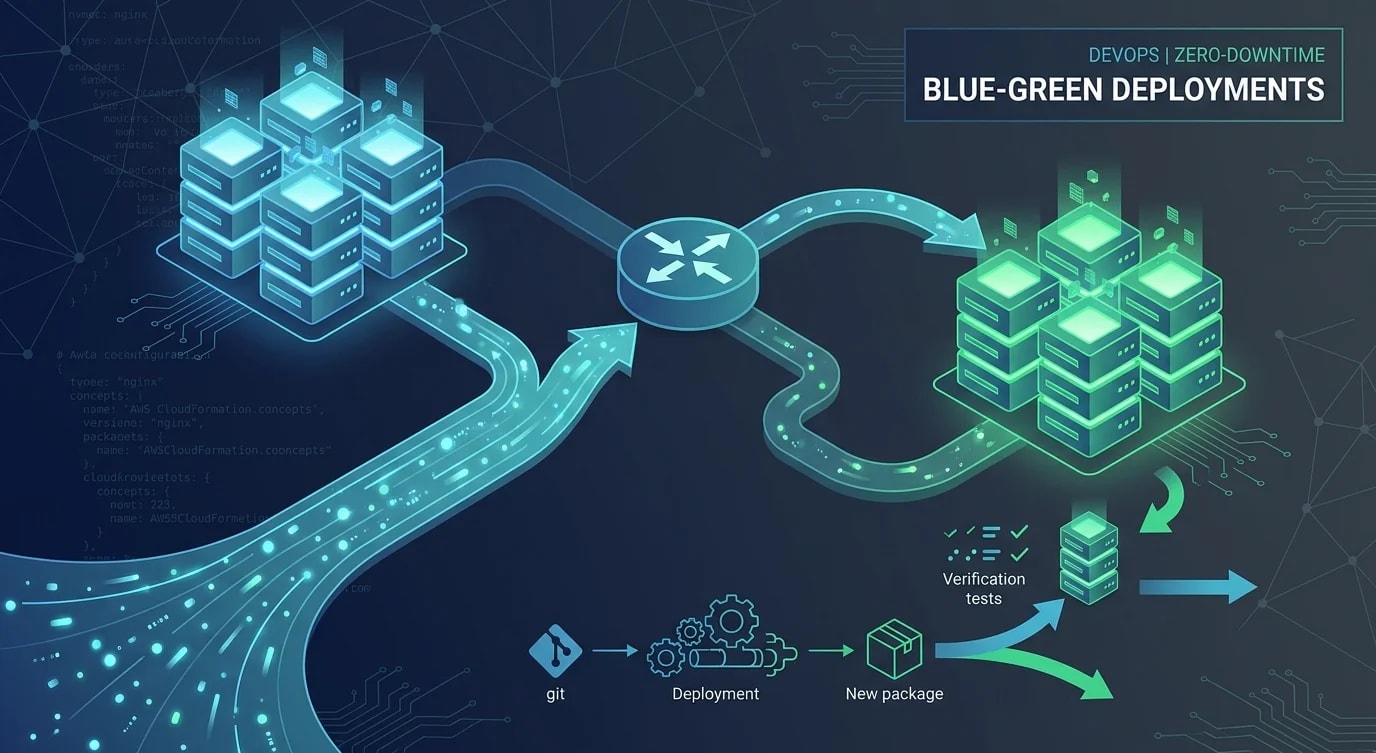
Blue-green deployments remove release anxiety by running two identical production environments and switching traffic instantly — here is how to do it.
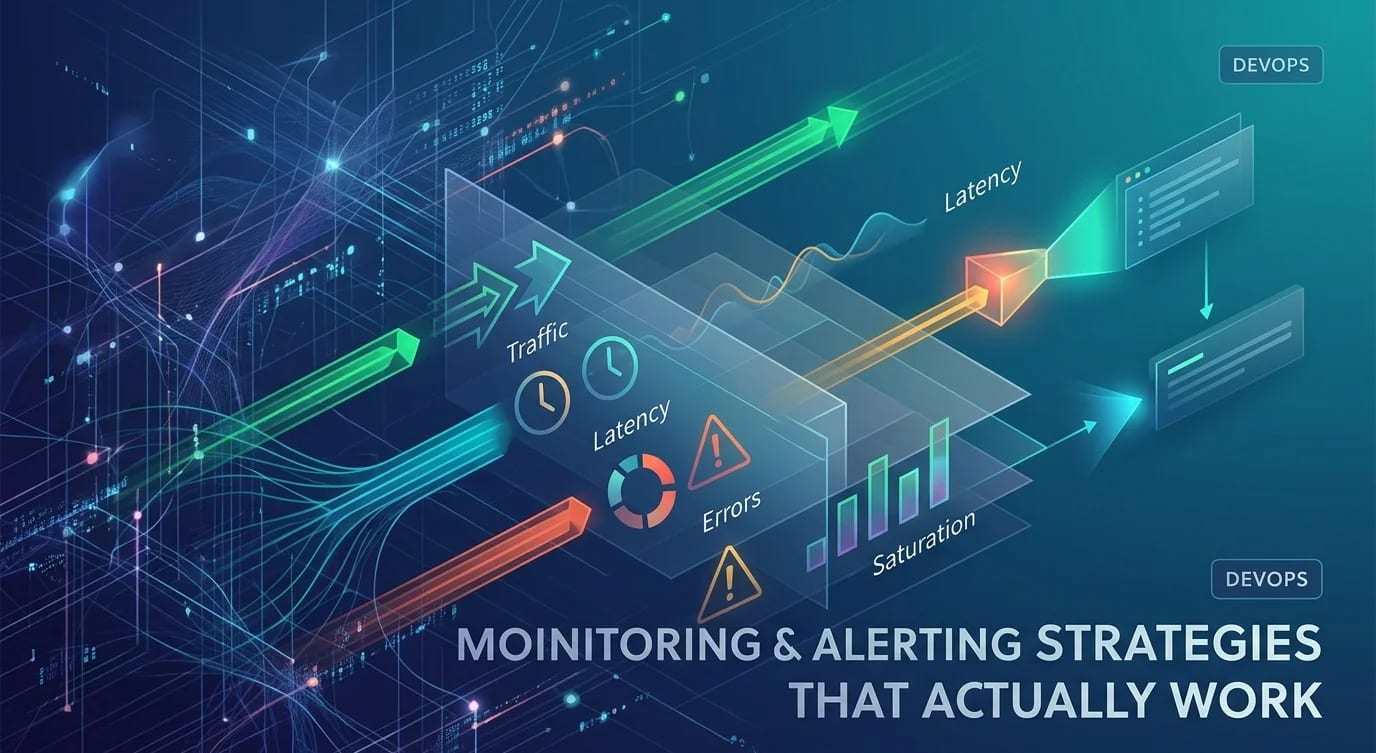
Alert fatigue kills incident response — build a monitoring strategy around SLIs, meaningful thresholds, and actionable alerts instead of noisy dashboards.

Workspaces, remote state, module registries and code review workflows — the patterns that keep Terraform manageable when a whole team touches infrastructure.

Treat infrastructure like application code — version it, review it, test it, and deploy it through a pipeline instead of clicking through consoles.
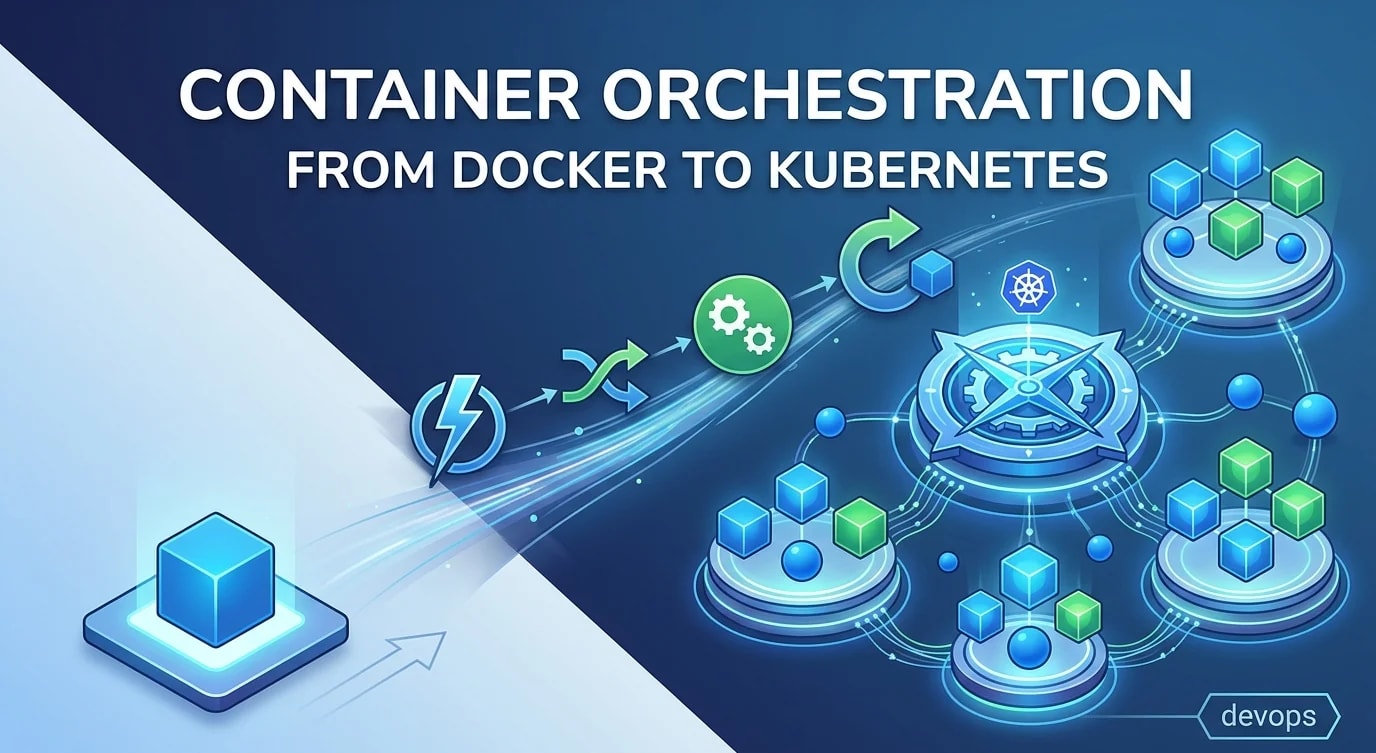
Running one container is easy; orchestrating hundreds across hosts needs scheduling, networking, service discovery and self-healing — that is Kubernetes.

Schema changes are the most dangerous deploys — here are the patterns for zero-downtime migrations, rollback safety, and avoiding data loss.

Feature flags decouple deployment from release — here's how to implement them without creating a tangled mess of conditional logic across your codebase.

The monorepo debate isn't about tools — it's about how your team communicates, deploys, and shares code across project boundaries.