Backend
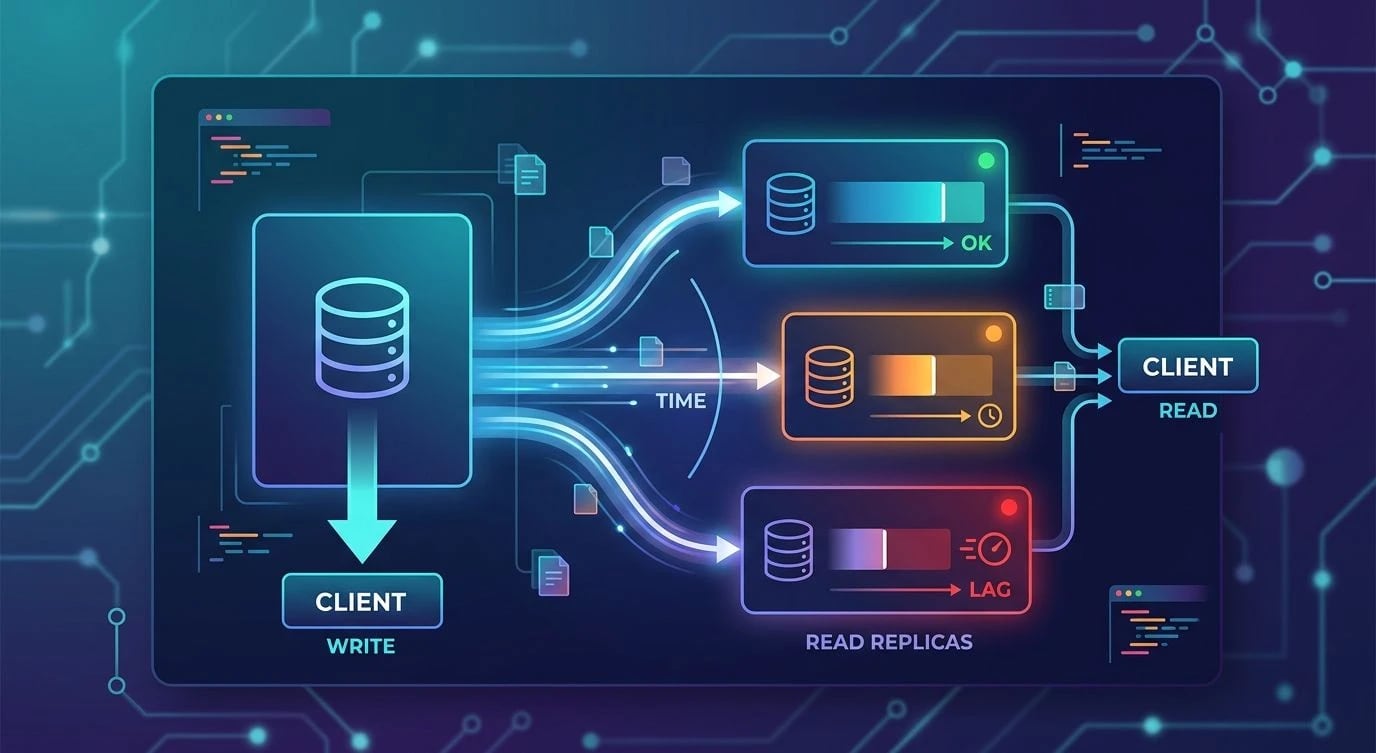
Replication Lag: The Hidden Cost of Read Replicas
Why read replicas introduce stale reads, how replication lag breaks consistency assumptions, and practical patterns to handle it safely.
·4 min read
Tags
16 articles · Page 1 of 2
Why read replicas introduce stale reads, how replication lag breaks consistency assumptions, and practical patterns to handle it safely.

Multi-region failover looks simple on an architecture diagram — the reality is replication lag, split-brain writes and DNS caches that refuse to cooperate.

Soft deletes look like a simple safety net, but they silently corrupt your schema, poison your queries, and break your constraints — here's what to use instead.

Postgres has a powerful built-in full-text search engine using tsvector, tsquery, and GIN indexes — no Elasticsearch cluster required for most applications.

Stop racing conditions in distributed systems: a practical guide to implementing distributed locks with Redis and PostgreSQL advisory locks in Node.js.

How the transactional outbox pattern eliminates the dual-write problem and guarantees reliable event publishing without coupling database to broker.
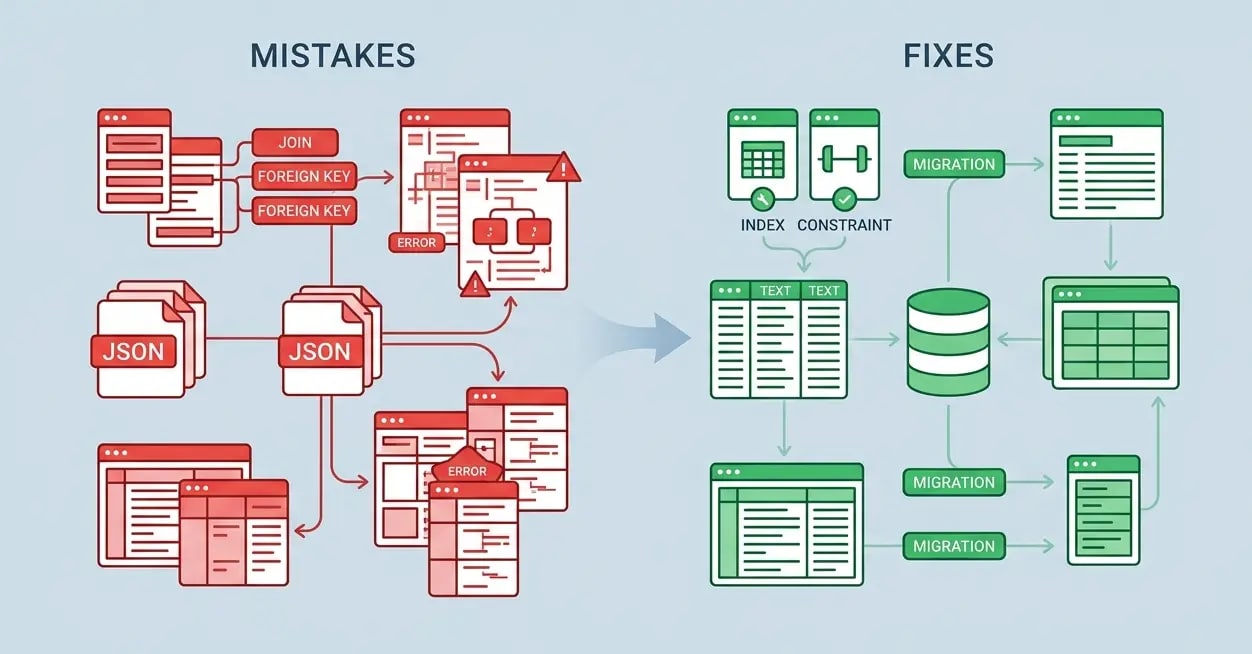
The recurring database design mistakes behind slow queries, painful migrations and production incidents — with practical fixes and the reasoning.

Run schema migrations on production databases without downtime: expand-contract, backward-compatible changes, blue-green data and safety checks.

A deep dive into connection pool configuration: sizing formulas, connection lifecycle, health checking and diagnosing pool exhaustion under real traffic.

A deep dive into database connection pooling for Node.js: pool sizing, health checks, failover patterns and the misconfigurations that cause outages.

Run database schema migrations without downtime using expand-contract patterns, backward-compatible changes and phased rollouts that keep serving traffic.

Compare offset, cursor and keyset pagination with practical implementations: performance characteristics, trade-offs and where each one fits your API.