
DevOps
GitOps with Flux and ArgoCD: Infrastructure by Pull Request
A practical guide to GitOps with Flux and ArgoCD: repository structure, drift detection, automated reconciliation and progressive delivery by pull request.
·4 min read
Tags
11 articles
A practical guide to GitOps with Flux and ArgoCD: repository structure, drift detection, automated reconciliation and progressive delivery by pull request.

Service mesh architecture through Istio and Linkerd: traffic management, mutual TLS, observability and circuit breaking — and when it is not worth it.

Protect credentials in CI/CD pipelines with secret managers, environment isolation, least-privilege access and audit trails — without slowing deploys.

Kubernetes resource requests, limits, QoS classes, Horizontal and Vertical Pod Autoscalers and cluster autoscaling, balanced for cost and reliability.
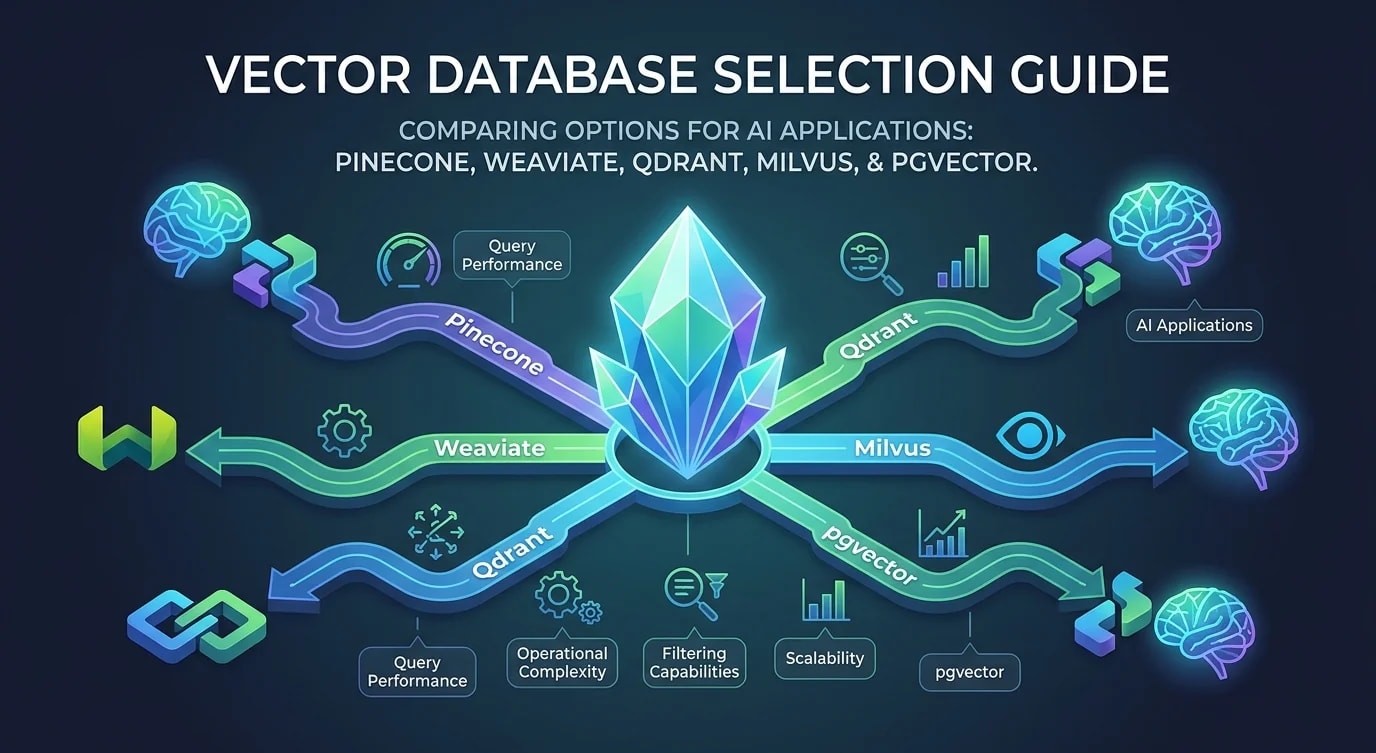
Compare Pinecone, Weaviate, Qdrant, Milvus and pgvector for AI applications: indexing strategies, query performance, filtering and operational complexity.

GitOps with ArgoCD for Kubernetes: the application-of-applications pattern, secret handling, drift detection, multi-cluster sync and progressive rollouts.

Design internal developer platforms that abstract infrastructure, offer self-service, cut cognitive load on application teams and speed up delivery.

How to set CPU and memory requests and limits in Kubernetes correctly, avoiding OOMKills, CPU throttling and wasted cluster capacity.

A service mesh moves networking concerns like retries, circuit breaking, mTLS, and observability out of application code and into the infrastructure layer.
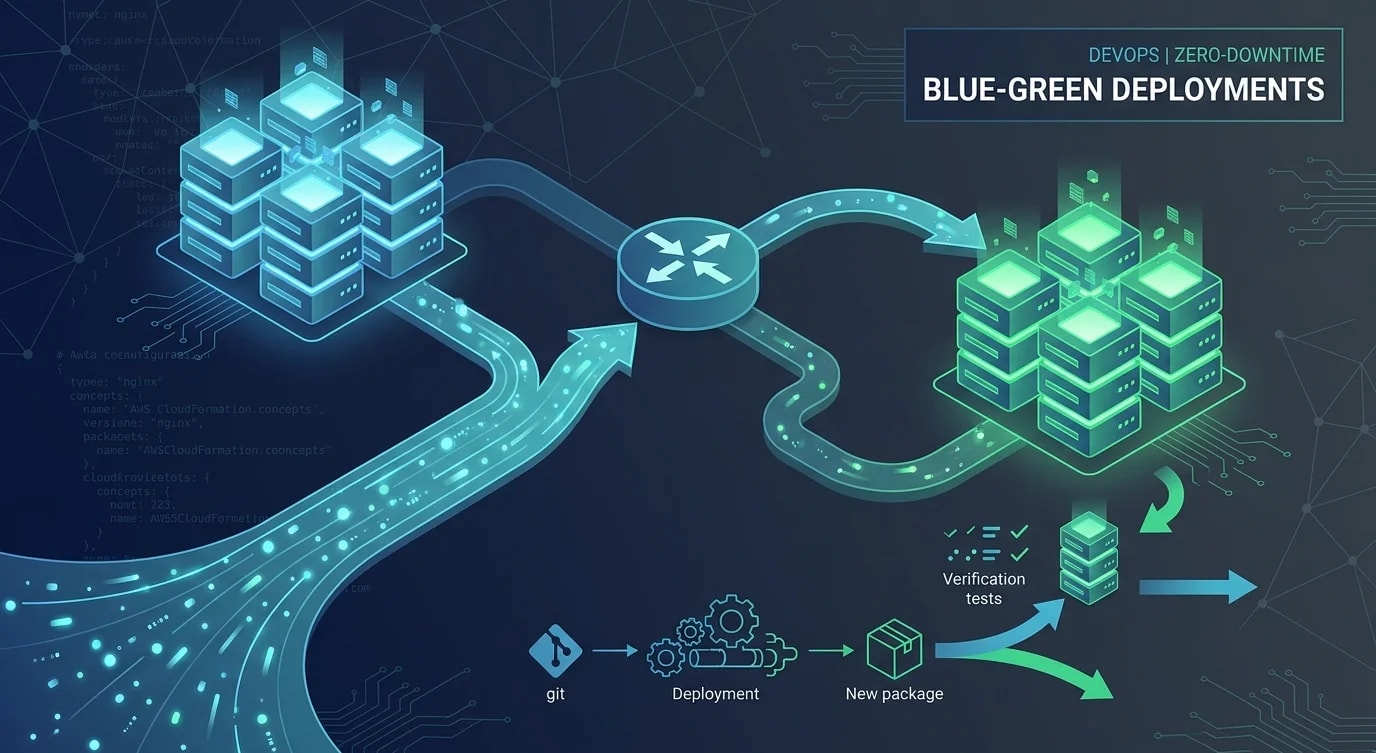
Blue-green deployments remove release anxiety by running two identical production environments and switching traffic instantly — here is how to do it.
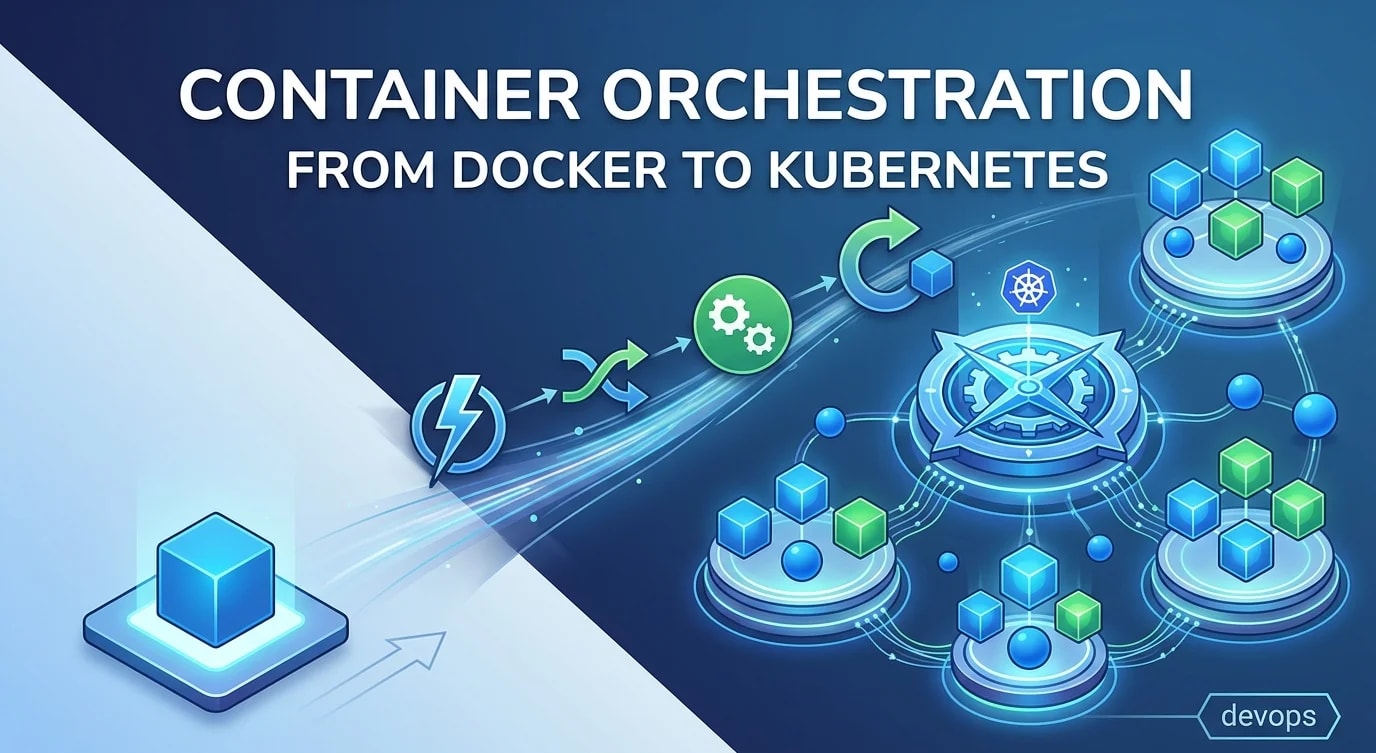
Running one container is easy; orchestrating hundreds across hosts needs scheduling, networking, service discovery and self-healing — that is Kubernetes.