DevOps
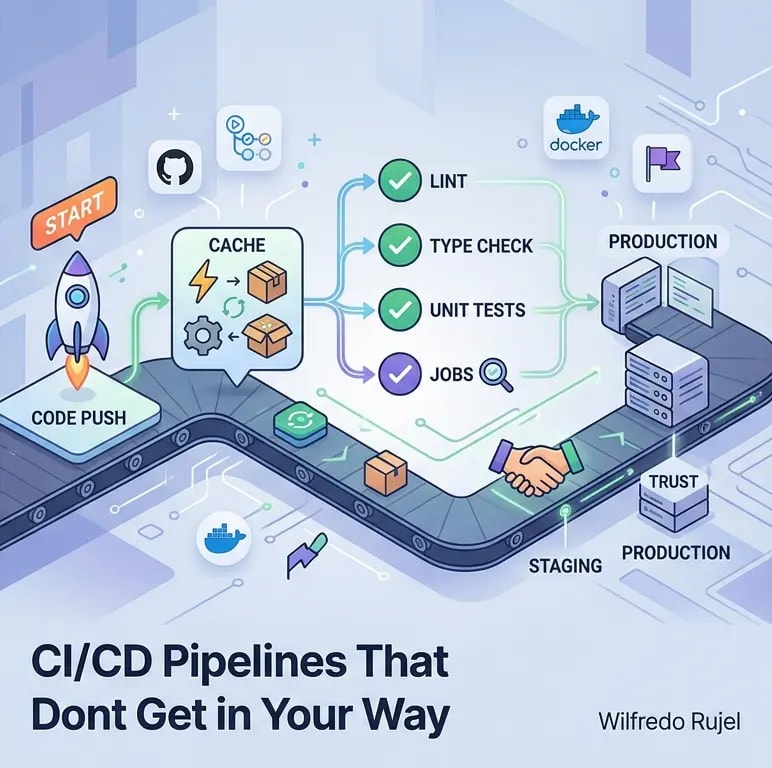
CI/CD Pipelines That Don't Get in Your Way
How to design CI/CD pipelines that are fast, reliable and genuinely trusted by your team: caching, parallelism, environment parity and deploy strategies.
·3 min read
Tags
19 articles · Page 1 of 2
How to design CI/CD pipelines that are fast, reliable and genuinely trusted by your team: caching, parallelism, environment parity and deploy strategies.
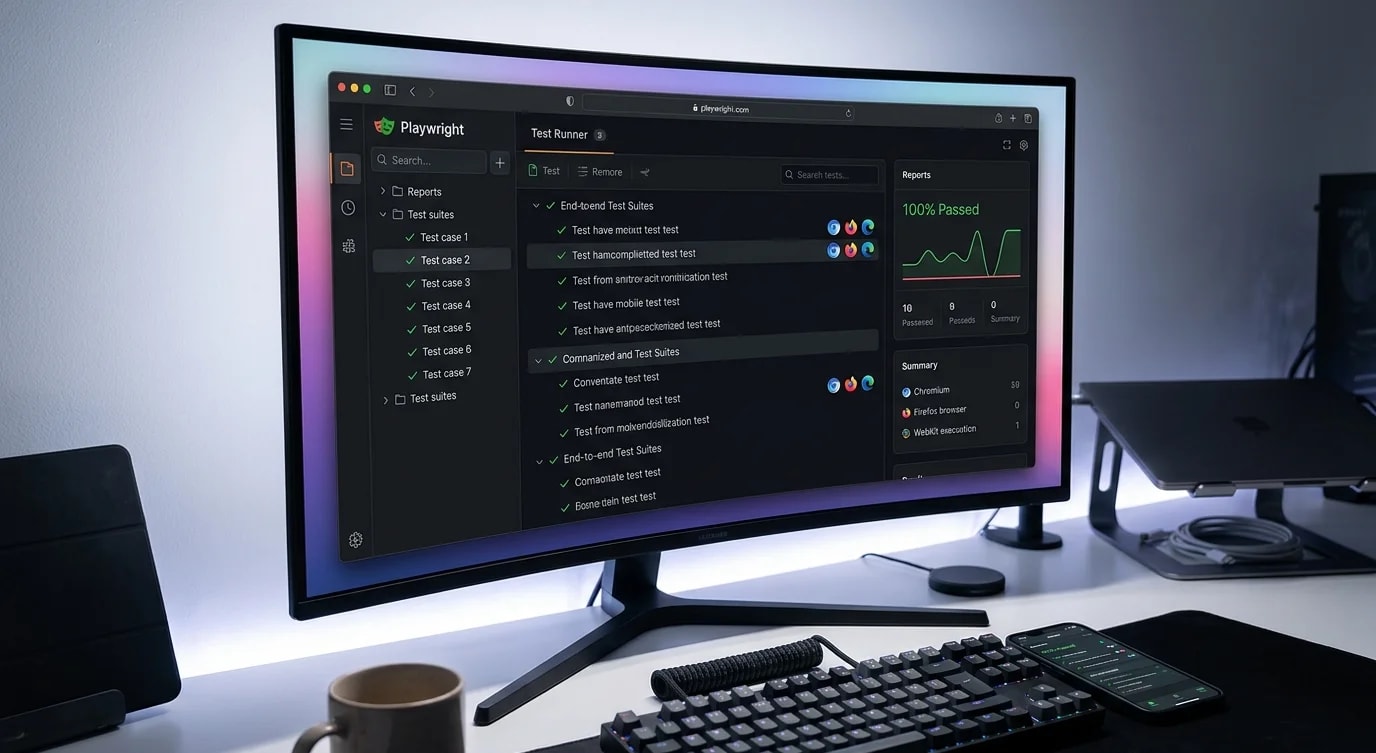
Build reliable end-to-end suites with Playwright: page object models, test isolation, network interception, visual regression and CI, without flakiness.

Apply SRE toil-reduction principles to daily work: spot repetitive manual tasks, measure their real cost, automate them, and count that as output.

Create professional command-line tools in TypeScript with Commander.js: argument parsing, interactive prompts, progress and structured output.

Build a code review assistant that hooks into CI, uses LLM APIs to scan pull requests for bugs, style and security issues, and comments on the PR.

How to spot repetitive development tasks and build custom CLI tools for them — task analysis, script design patterns and the compounding payoff.

Protect credentials in CI/CD pipelines with secret managers, environment isolation, least-privilege access and audit trails — without slowing deploys.
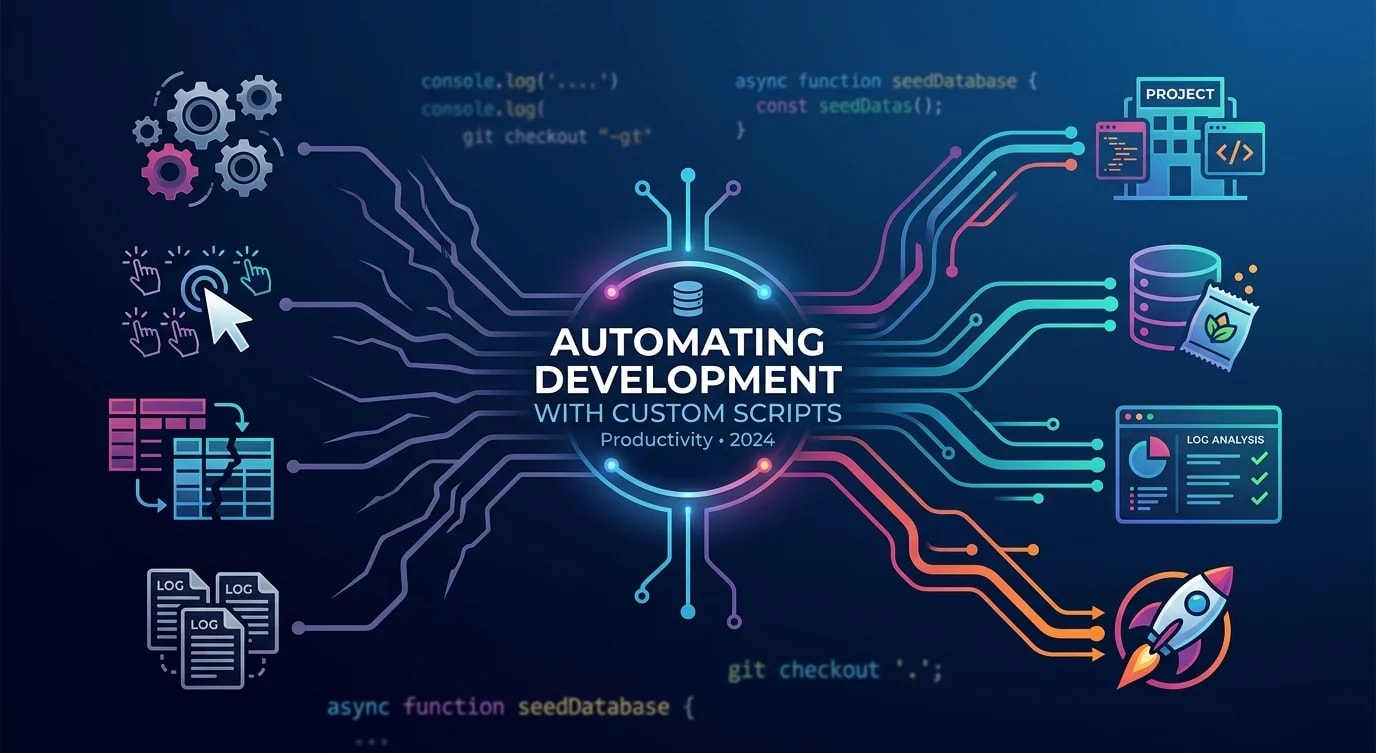
Build automation scripts that remove daily friction: project scaffolding, database seeding, log analysis and deployment checks with Node.js and shell.
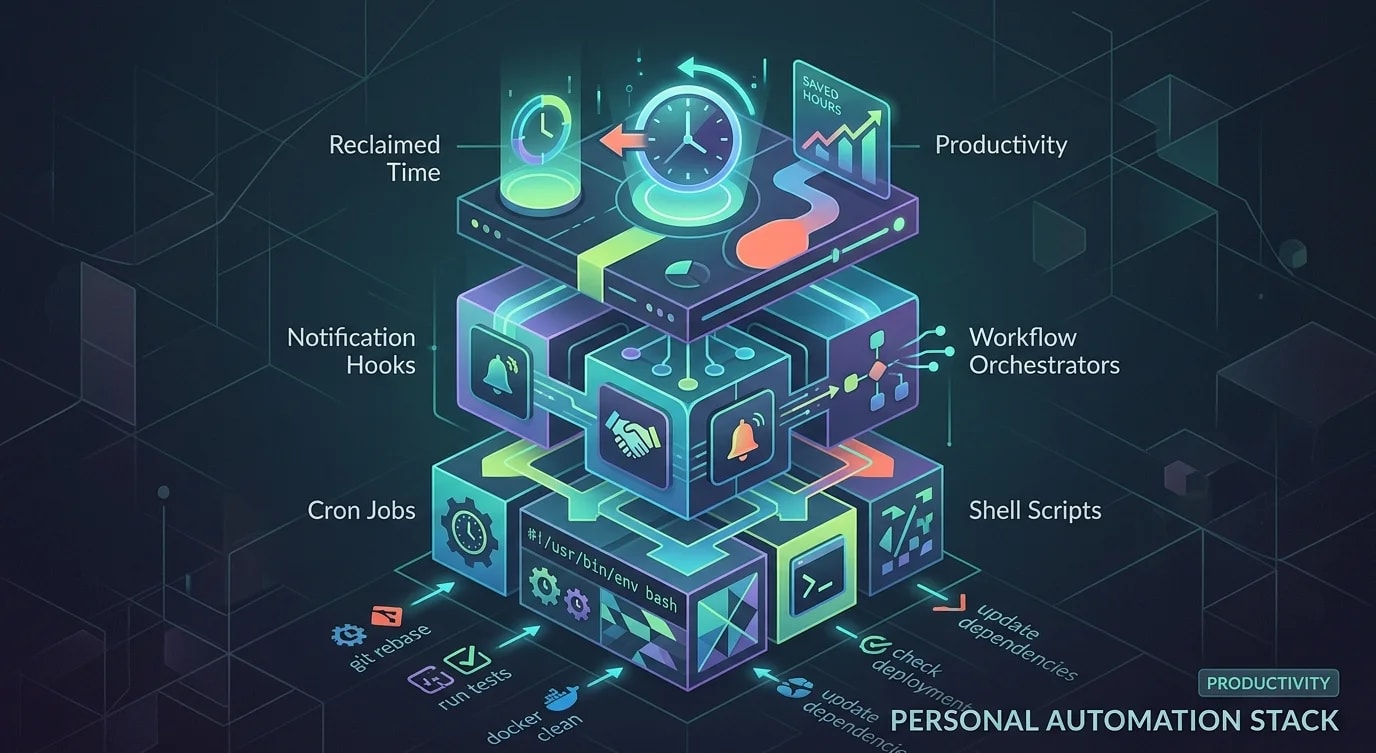
Design a personal automation system that removes repetitive developer tasks with shell scripts, cron jobs, notification hooks and light orchestrators.
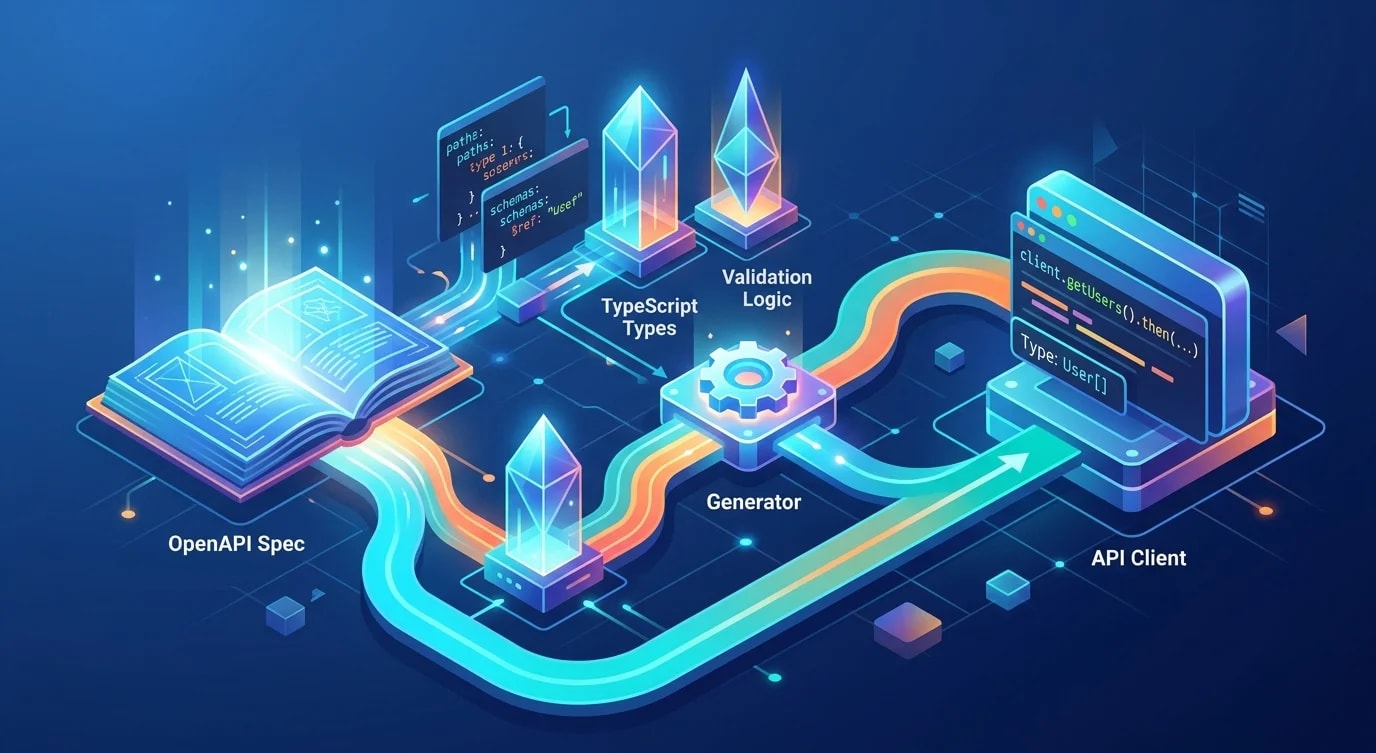
Build a code generator that reads OpenAPI specs and emits fully typed TypeScript API clients with request validation, error handling and type inference.

How to build custom ESLint rules for your team's conventions: AST selectors, rule testing, auto-fixers and publishing a shared plugin.

How to bring LLMs into code review: automated review bots, prompt patterns for catching bugs, security analysis, and where human judgment still wins.