
Artificial Intelligence
Integrating LLMs: Patterns That Hold Up in Production
Practical patterns for reliable, cost-efficient LLM features: prompt engineering, streaming, structured outputs, fallbacks and cost management.
·3 min read
Tags
19 articles · Page 1 of 2
Practical patterns for reliable, cost-efficient LLM features: prompt engineering, streaming, structured outputs, fallbacks and cost management.

Build a code review assistant that hooks into CI, uses LLM APIs to scan pull requests for bugs, style and security issues, and comments on the PR.

A practical guide to production RAG that returns grounded answers: embedding strategies, vector database choice, chunking, reranking and evaluation.

Fine-tune language models on your domain with parameter-efficient LoRA and QLoRA: dataset preparation, training strategies and evaluation, on a small budget.

Build effective RAG pipelines in TypeScript: document chunking, embeddings, vector search tuning, prompt construction and retrieval-quality evaluation.
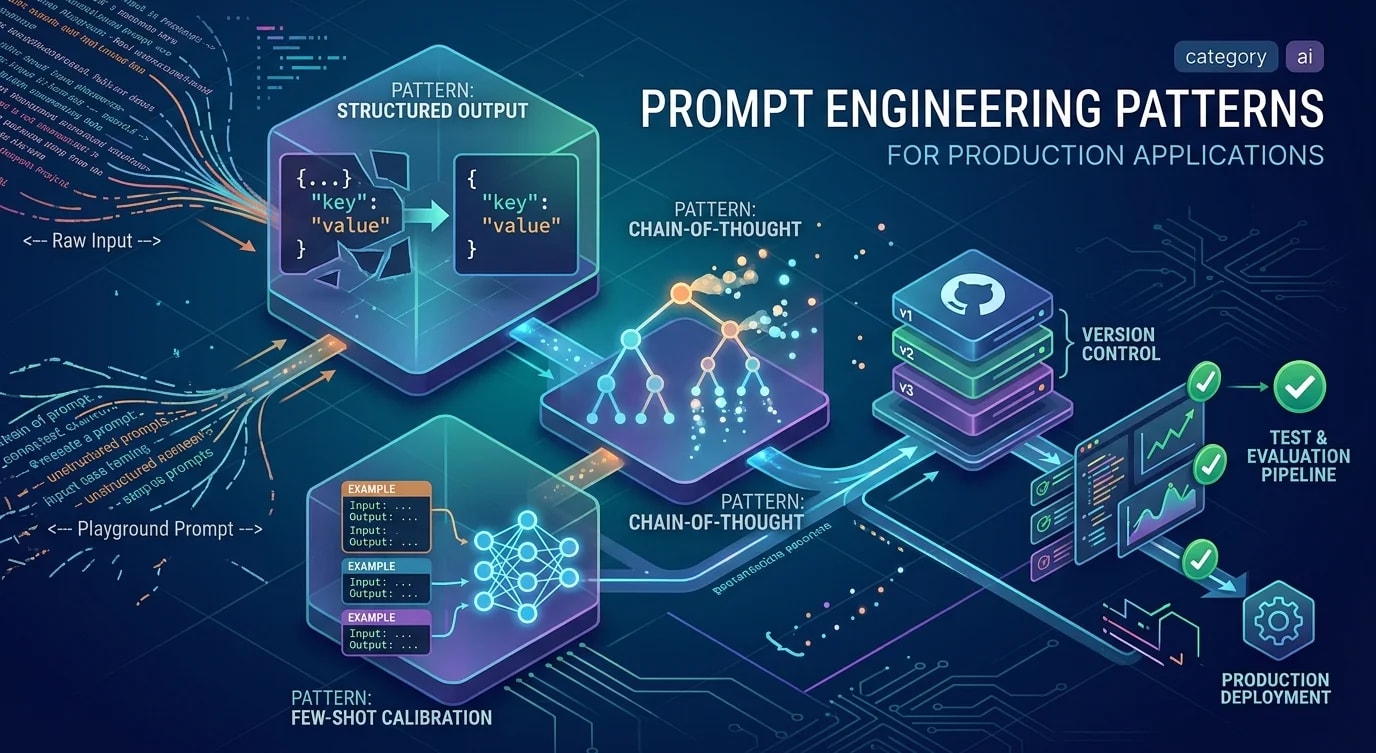
Systematic prompt engineering for production LLM applications: structured output extraction, chain-of-thought, few-shot calibration, versioning and evals.
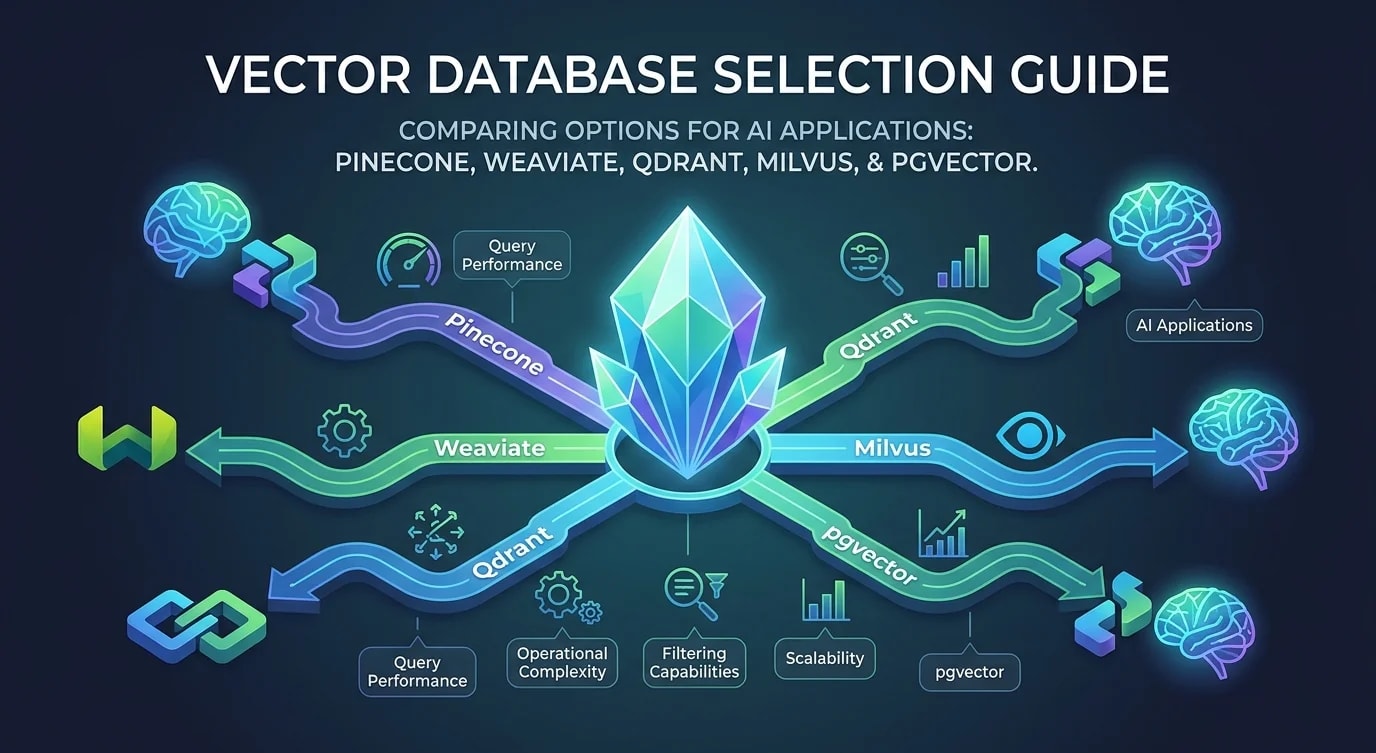
Compare Pinecone, Weaviate, Qdrant, Milvus and pgvector for AI applications: indexing strategies, query performance, filtering and operational complexity.
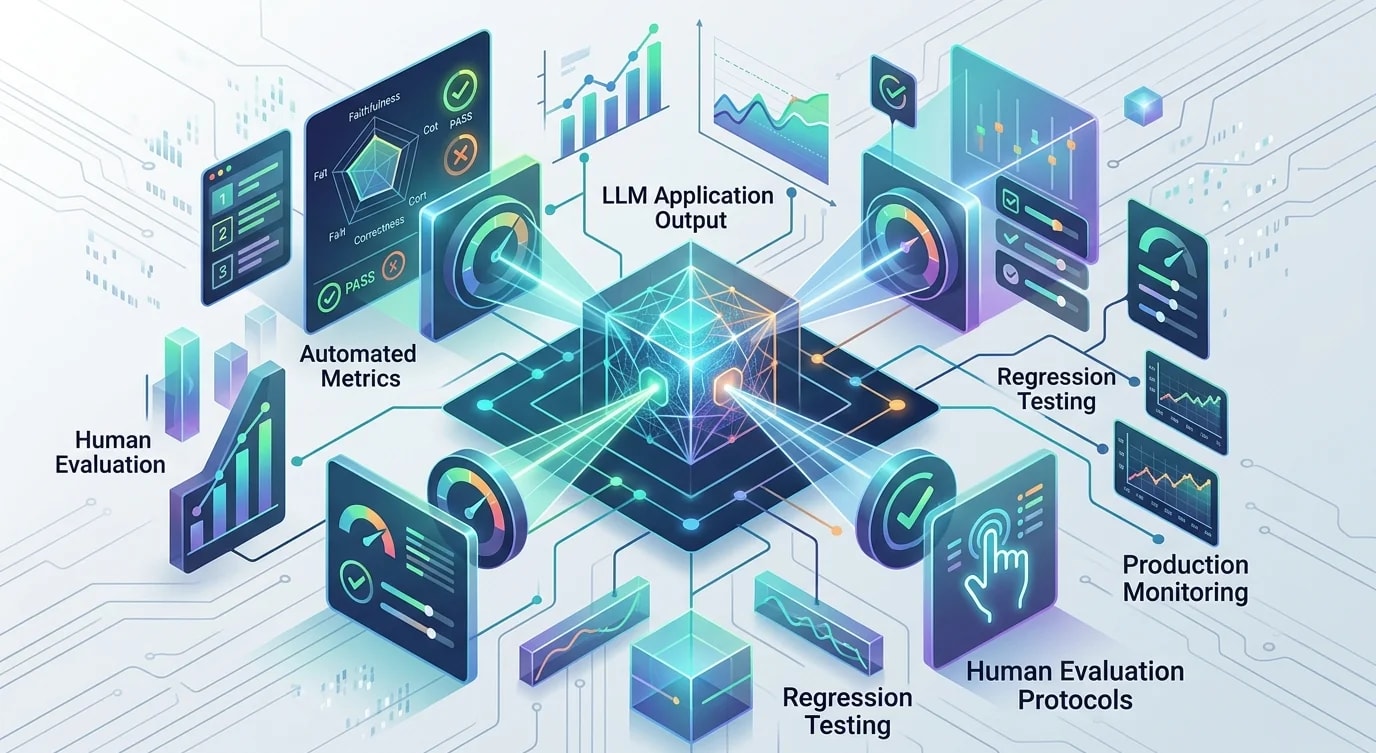
Design evaluation pipelines for LLM applications: automated metrics, human evaluation protocols, regression tests, prompt versioning and monitoring.

How to bring LLMs into code review: automated review bots, prompt patterns for catching bugs, security analysis, and where human judgment still wins.

A practical guide to vector databases for similarity search: embeddings, indexing strategies, distance metrics, and choosing between the main options.

How to build production-ready NLP pipelines: text preprocessing, tokenization, embeddings, classification and entity extraction in TypeScript and Python.

A practical introduction to recommendation systems: collaborative filtering, content-based filtering and hybrid approaches, implemented in TypeScript.