Career
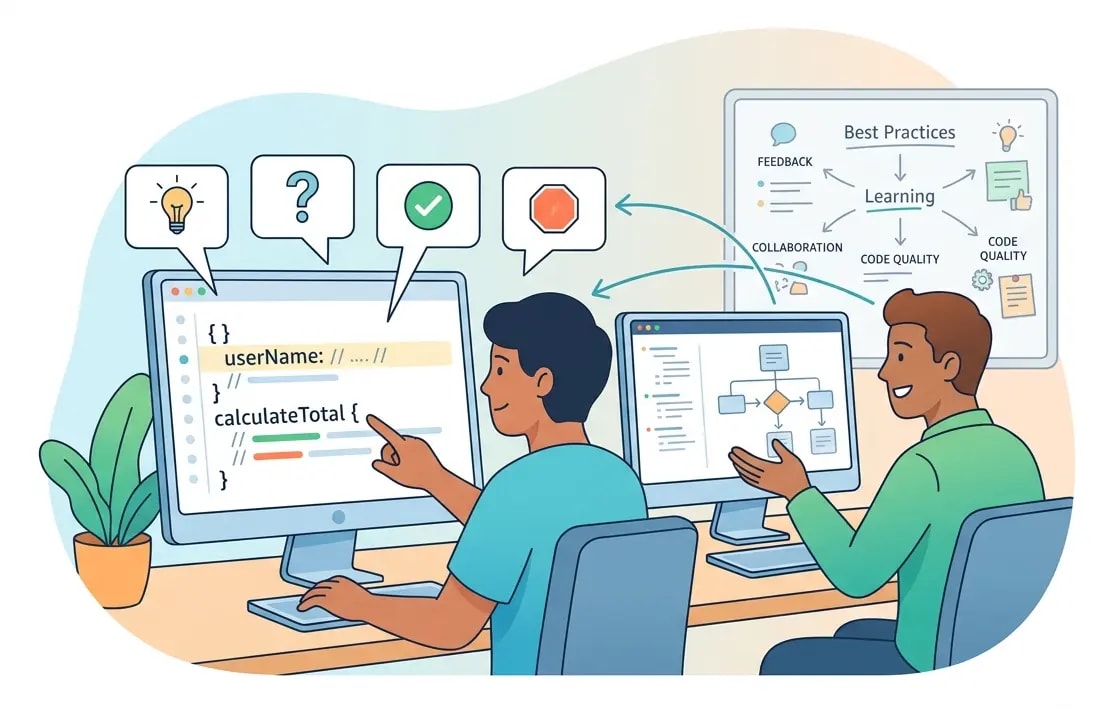
Code Review Culture: Feedback That Actually Helps
The principles and practices that transform code review from a gatekeeping ritual into a genuine learning tool — for both the reviewer and the author.
·3 min read
Tags
12 articles
The principles and practices that transform code review from a gatekeeping ritual into a genuine learning tool — for both the reviewer and the author.

Build a feature flag system with gradual rollouts, user targeting, A/B testing and kill switches — plus lifecycle patterns that prevent flag debt.

Build production distributed tracing with OpenTelemetry: context propagation, sampling strategies, storage backends, log correlation and cardinality.

How property-based testing generates hundreds of random inputs to verify invariants and catch edge cases example tests miss, using fast-check in TypeScript.
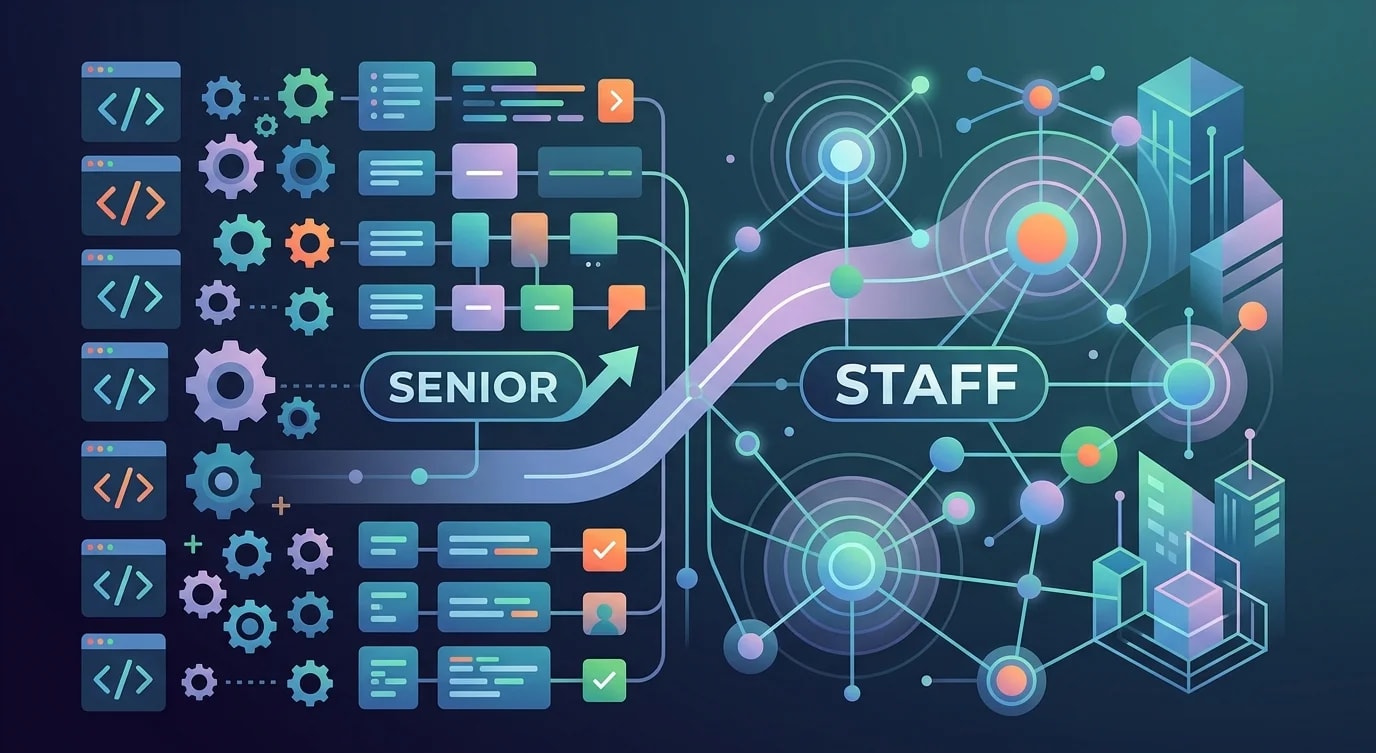
What staff engineering actually involves, how technical leadership differs from management, and how senior engineers grow into organizational impact.

How to implement feature toggles that enable trunk-based development, gradual rollouts and instant rollbacks — types, testing and cleanup that avoids debt.

How to use Git hooks to automate quality checks, commit message validation, pre-push tests and branch naming — with Husky and custom scripts.

How to write RFC documents that drive clear technical decisions: structure, audience calibration, alternatives analysis and asynchronous consensus.

A practical guide to load testing APIs: tool selection, realistic traffic patterns, performance baselines, bottleneck identification and common mistakes.

How to bring AI into code review — automated suggestions, security scanning, review prioritization, and keeping human judgment in the loop.

How to write technical documentation that engineers actually read — covering ADRs, runbooks, API docs, and documentation-as-code workflows.
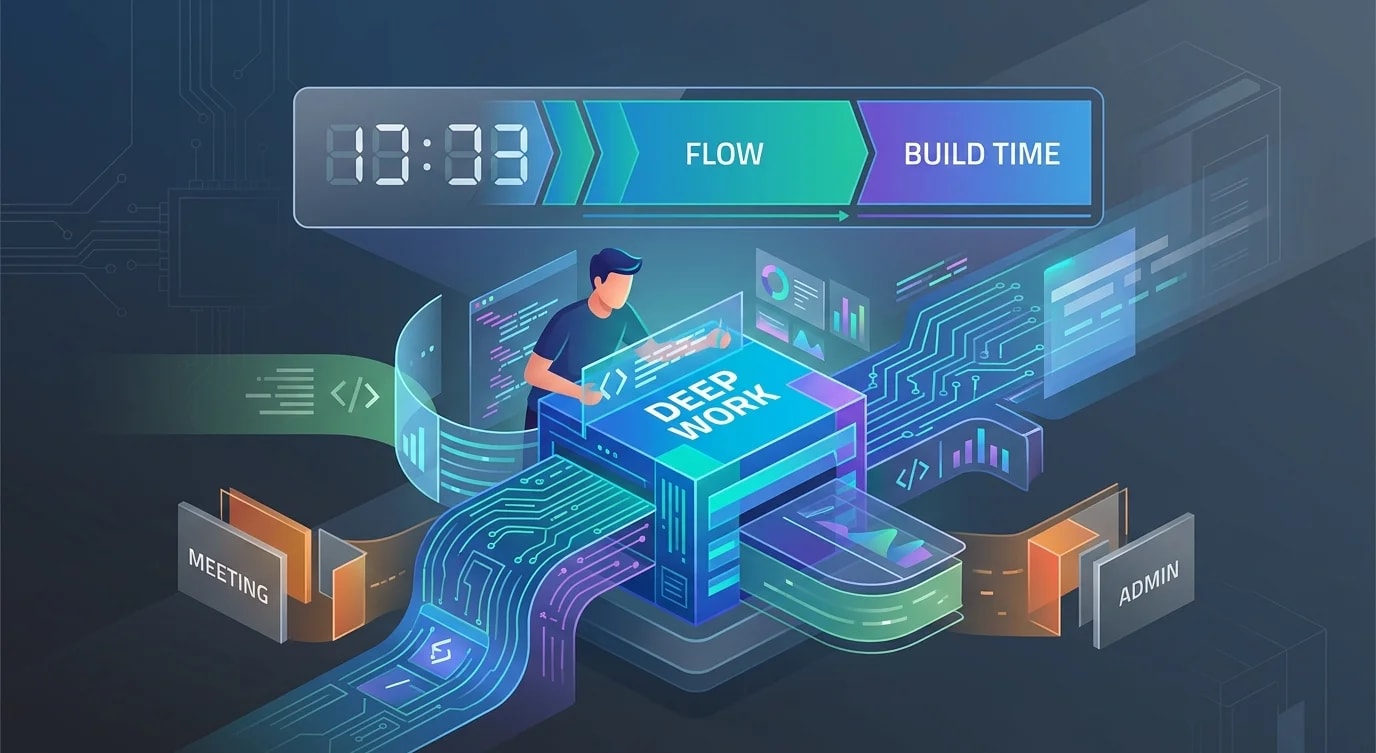
Practical time management built for engineering work: deep work scheduling, fewer context switches, energy management and meeting optimization.