
Engineering
Template Literal Types: Expressive, Type-Safe APIs
Use TypeScript template literal types to encode event names, route patterns and permission sets in the type system — no runtime checks, no string drift.
·4 min read
Tags
15 articles · Page 1 of 2
Use TypeScript template literal types to encode event names, route patterns and permission sets in the type system — no runtime checks, no string drift.

Stop fighting Docker in local dev: multi-stage builds, bind mounts, Compose overrides, and the patterns that make containers feel native.

Design internal developer platforms that speed delivery: self-service infrastructure, golden paths, platform APIs, DX metrics and adoption that earns trust.

Apply SRE toil-reduction principles to daily work: spot repetitive manual tasks, measure their real cost, automate them, and count that as output.

The tools, shell setup, editor configuration and workflow automations that compound over a career — and how to build a setup that gets out of your way.
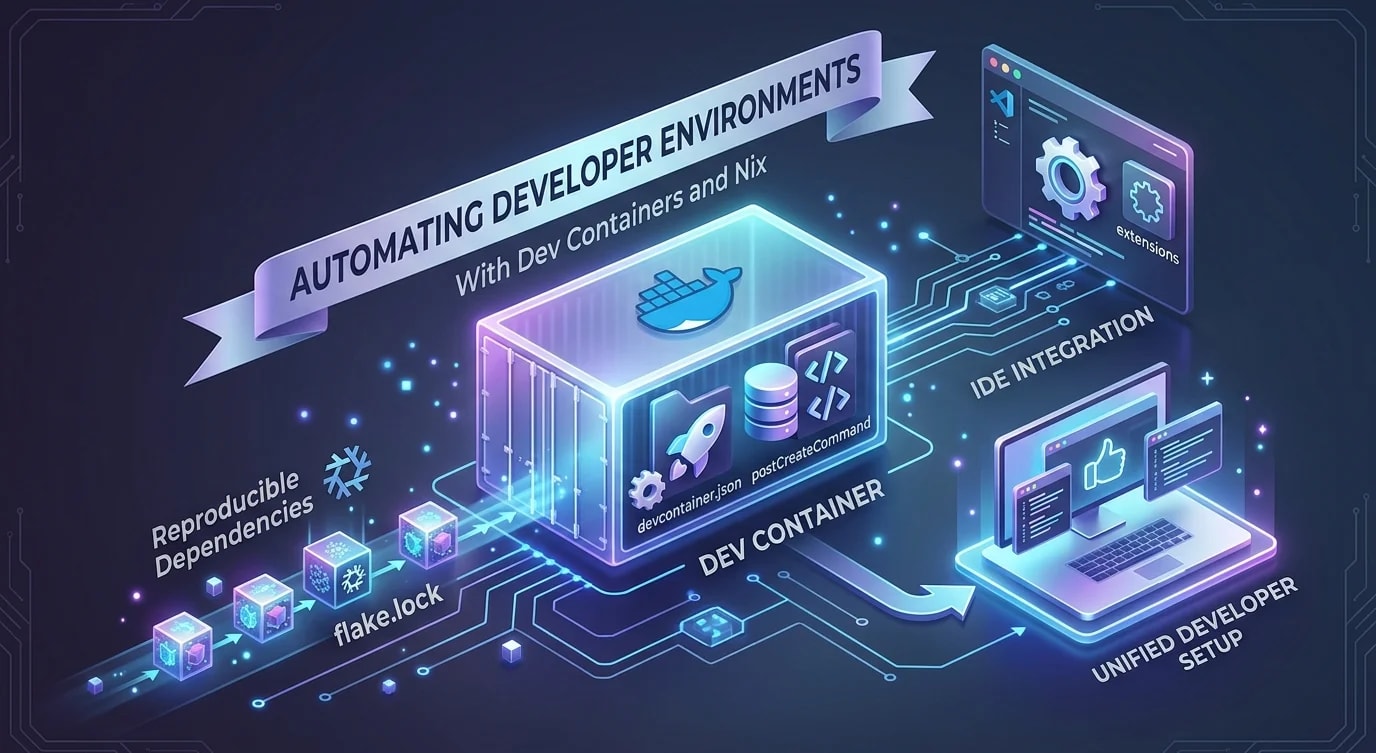
End works-on-my-machine by pairing Dev Containers for IDE integration with Nix for reproducible dependencies — versioned, portable, identical setups.

A practical framework for measuring technical debt in terms stakeholders accept: code metrics, developer velocity data and incident correlations.

Build a production-quality Node.js CLI: argument parsing, interactive prompts, progress indicators, error handling and npm distribution, done properly.

Apply deep work to software development with concrete scheduling, environment design, interruption management and energy-aware task allocation.
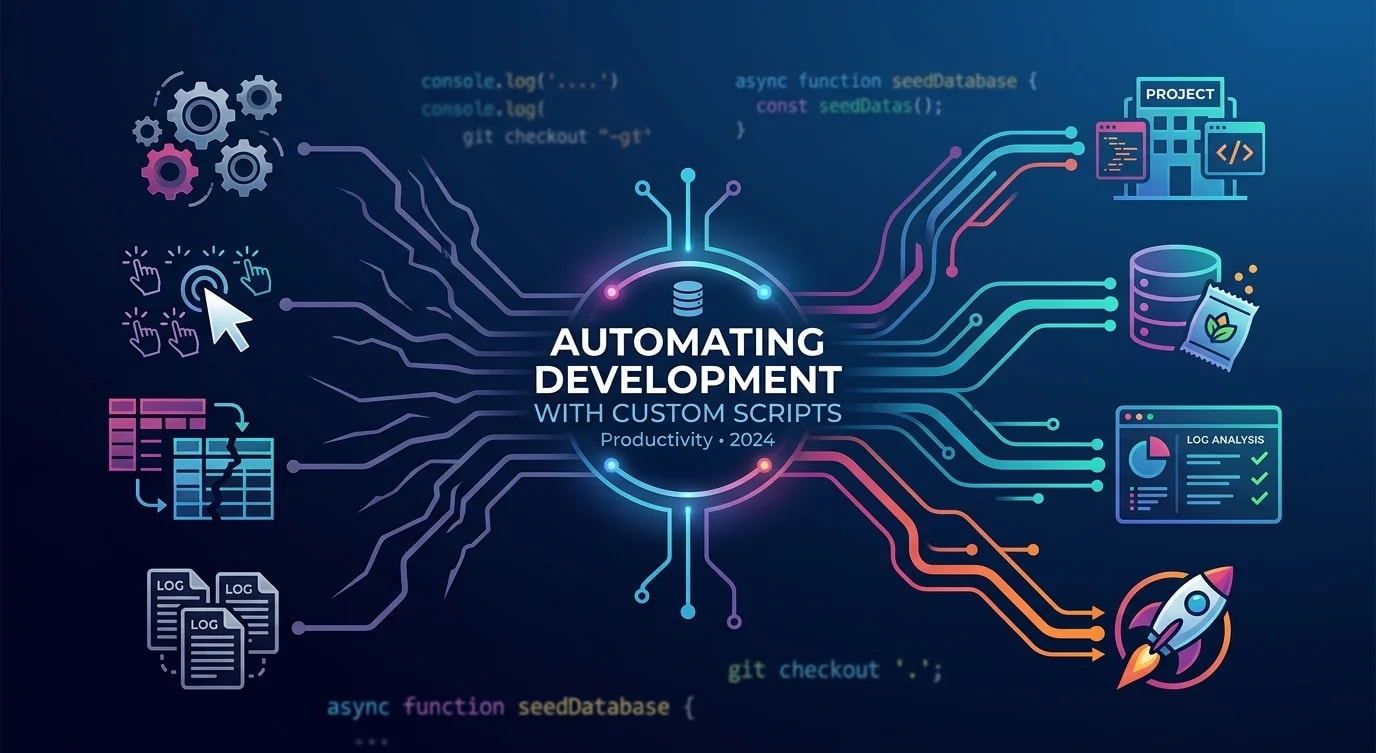
Build automation scripts that remove daily friction: project scaffolding, database seeding, log analysis and deployment checks with Node.js and shell.

Step-by-step guide to a professional Node.js CLI: argument parsing, interactive prompts, colored output, progress, config files and npm publishing.

Design internal developer platforms that abstract infrastructure, offer self-service, cut cognitive load on application teams and speed up delivery.