Architecture
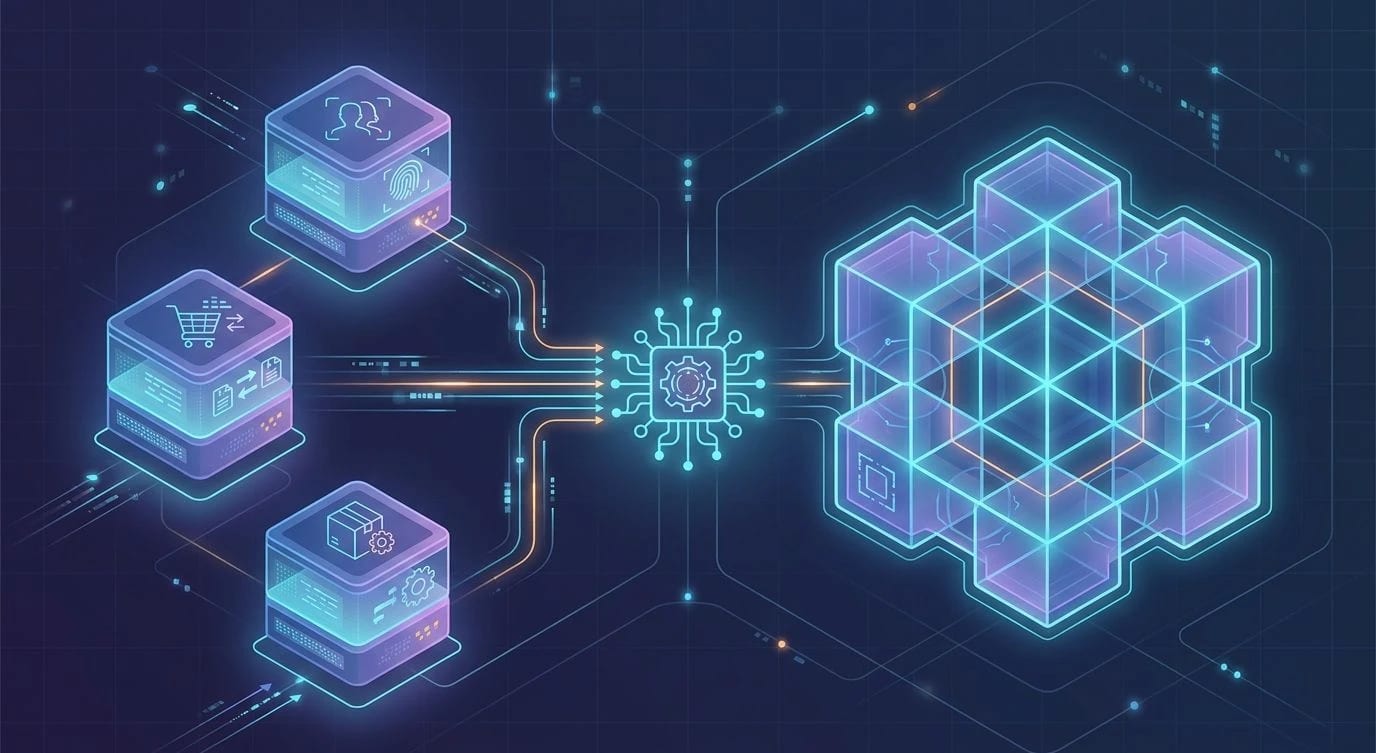
GraphQL Federation: Splitting a Schema Without Splitting Teams
A practical guide to GraphQL Federation for breaking up a monolithic schema across services without duplicating resolvers or gateway logic.
·4 min read
Tags
18 articles · Page 1 of 2
A practical guide to GraphQL Federation for breaking up a monolithic schema across services without duplicating resolvers or gateway logic.

How the transactional outbox pattern eliminates the dual-write problem and guarantees reliable event publishing without coupling database to broker.

Practical lessons from designing and operating microservices at scale: event-driven communication, service boundaries and the patterns that survived.

Practical testing for distributed architectures: contract testing between services, chaos engineering, integration design, and confidence without full E2E.

A practical guide to bounded contexts and context mapping in real applications: the strategic DDD patterns that stop domain models from rotting.

A practical guide to replacing legacy monoliths incrementally with the strangler fig pattern: routing strategies, data synchronization and rollback nets.

Apply DDD bounded contexts to real codebases: clear subdomain boundaries, context mapping between teams, and never sharing domain models across services.

Service mesh architecture through Istio and Linkerd: traffic management, mutual TLS, observability and circuit breaking — and when it is not worth it.
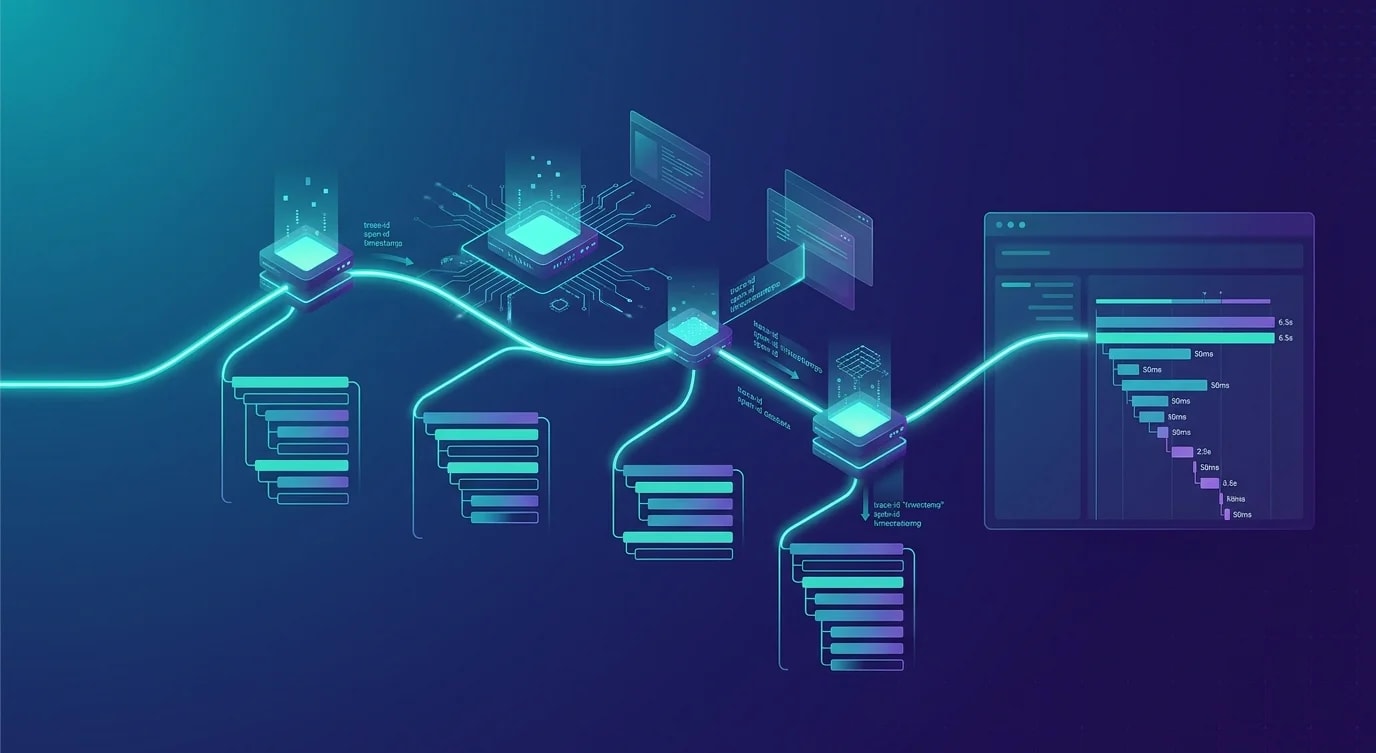
Implement distributed tracing across microservices with OpenTelemetry: context propagation, spans, sampling and the analysis that makes systems debuggable.

Build production distributed tracing with OpenTelemetry: context propagation, sampling strategies, storage backends, log correlation and cardinality.

Practical strategies for identifying, implementing and integrating bounded contexts: context mapping, anti-corruption layers and shared kernels.

How to apply the strangler fig pattern to migrate legacy systems to modern architectures without risky big-bang rewrites or extended downtime.