
Backend
Idempotency in API Design: Safe Retries at Scale
Network failures mean requests get retried — idempotent API design makes processing the same request twice produce one result, not duplicate charges.
·4 min read
Categories
APIs & server logic · 57 articles · Page 5 of 5
Network failures mean requests get retried — idempotent API design makes processing the same request twice produce one result, not duplicate charges.

Every API evolves — the question is whether you version through URL paths, headers or query parameters, and how you ship breaking changes safely.

Opening a new database connection per request is a silent performance killer — connection pools solve this with a managed set of reusable connections.

Schema changes are the most dangerous deploys — here are the patterns for zero-downtime migrations, rollback safety, and avoiding data loss.

When HTTP polling isn't enough — a practical guide to WebSocket connections, message patterns, and production concerns like reconnection and scaling.

Token buckets, sliding windows, and distributed rate limiting — practical patterns to protect your API without degrading the experience for legitimate users.

Indexes can make or break your application's performance — here's how they work under the hood and when to use each type.

From HTTP headers to Redis patterns, a practical guide to caching layers that reduce latency and database load without serving stale data.
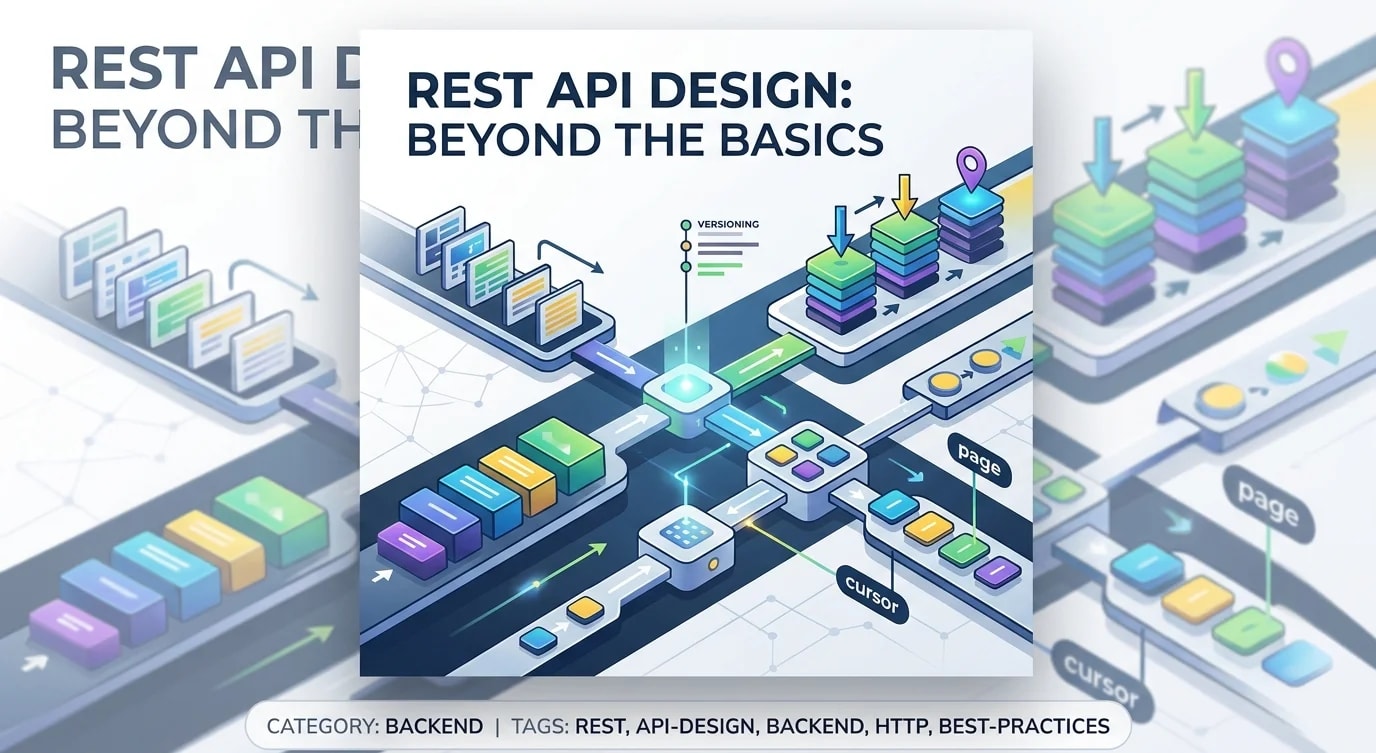
Once you know the HTTP verbs, the real challenge begins — pagination, filtering, error formats, and versioning patterns that make APIs a pleasure to consume.