Career
Code Review Culture: Feedback That Actually Helps
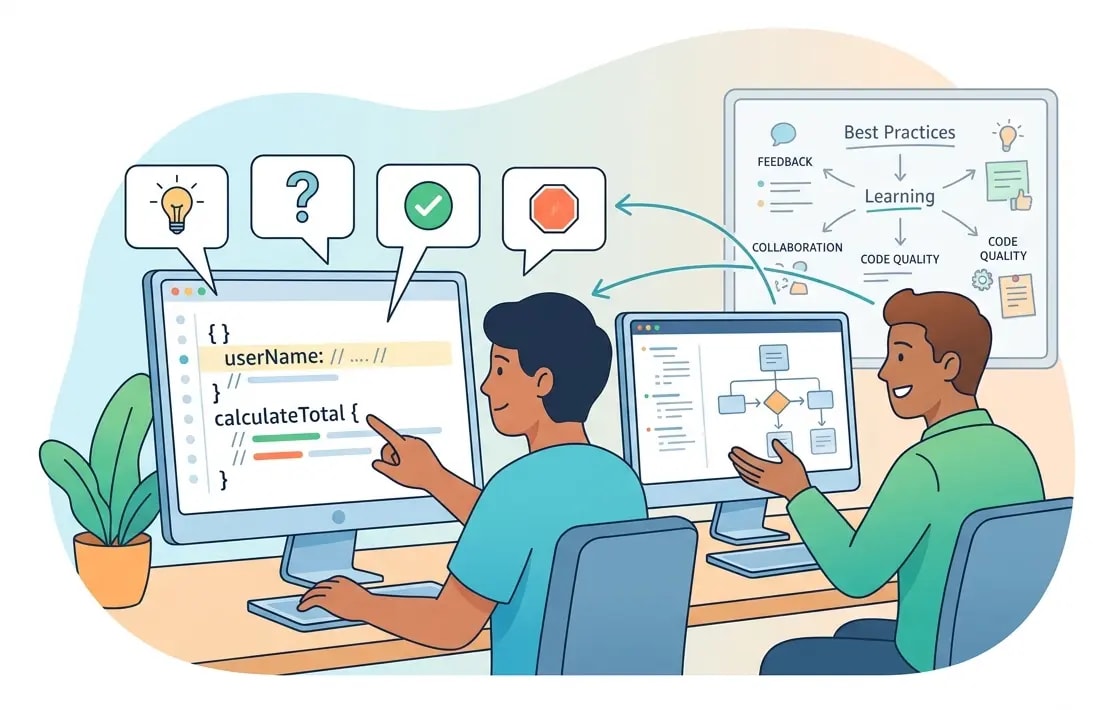
The principles and practices that transform code review from a gatekeeping ritual into a genuine learning tool — for both the reviewer and the author.
·3 min read
Tags
9 articles
The principles and practices that transform code review from a gatekeeping ritual into a genuine learning tool — for both the reviewer and the author.

Pair programming remote and in person: driver-navigator rotations, knowledge sharing and session structures that avoid making pairing exhausting.
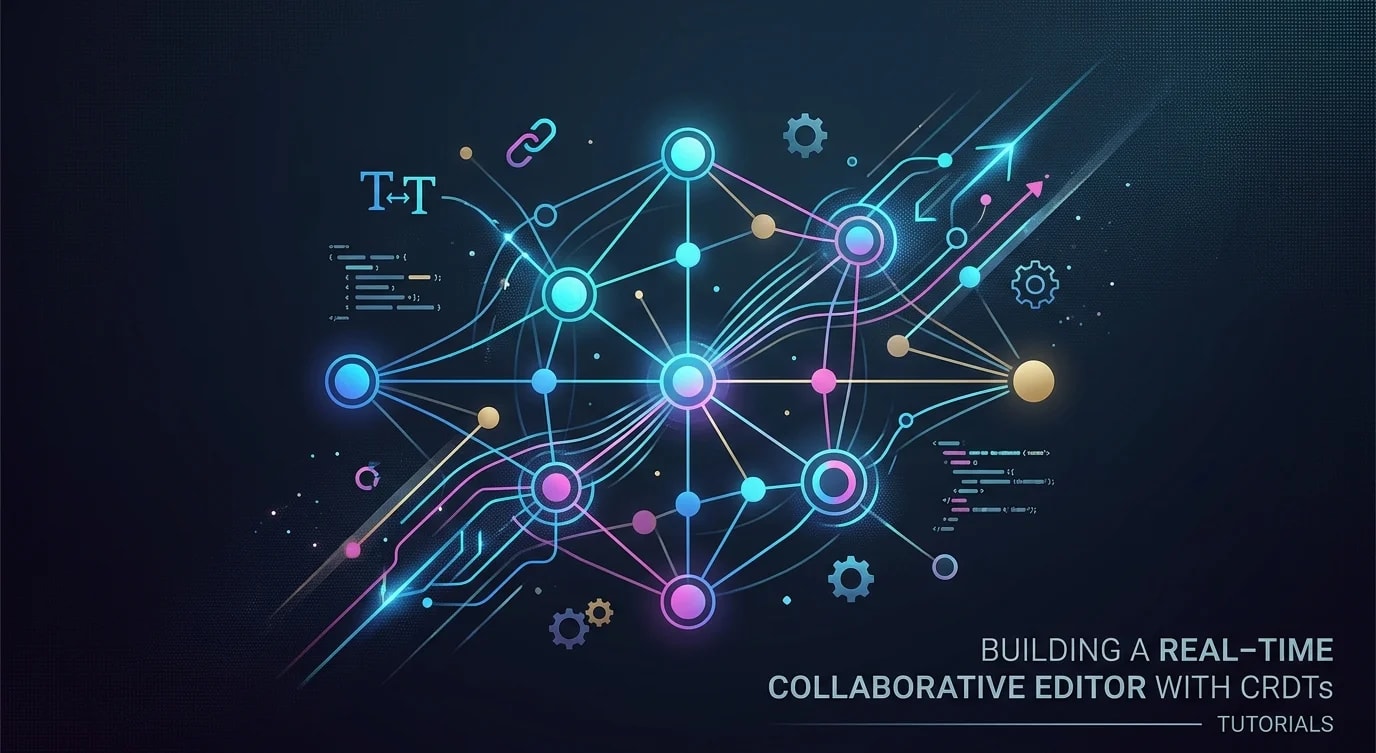
Step-by-step implementation of a collaborative text editor with CRDTs: the Yjs library, WebSocket synchronization, the awareness protocol and offline-first.

A practical guide to git rebase and interactive rebase: rebase versus merge, squashing commits, rewriting history safely and clean team workflows.

How to write RFC documents that drive clear technical decisions: structure, audience calibration, alternatives analysis and asynchronous consensus.

Practical pair programming techniques that boost code quality and knowledge sharing — covering driver-navigator, ping-pong, and remote pairing workflows.
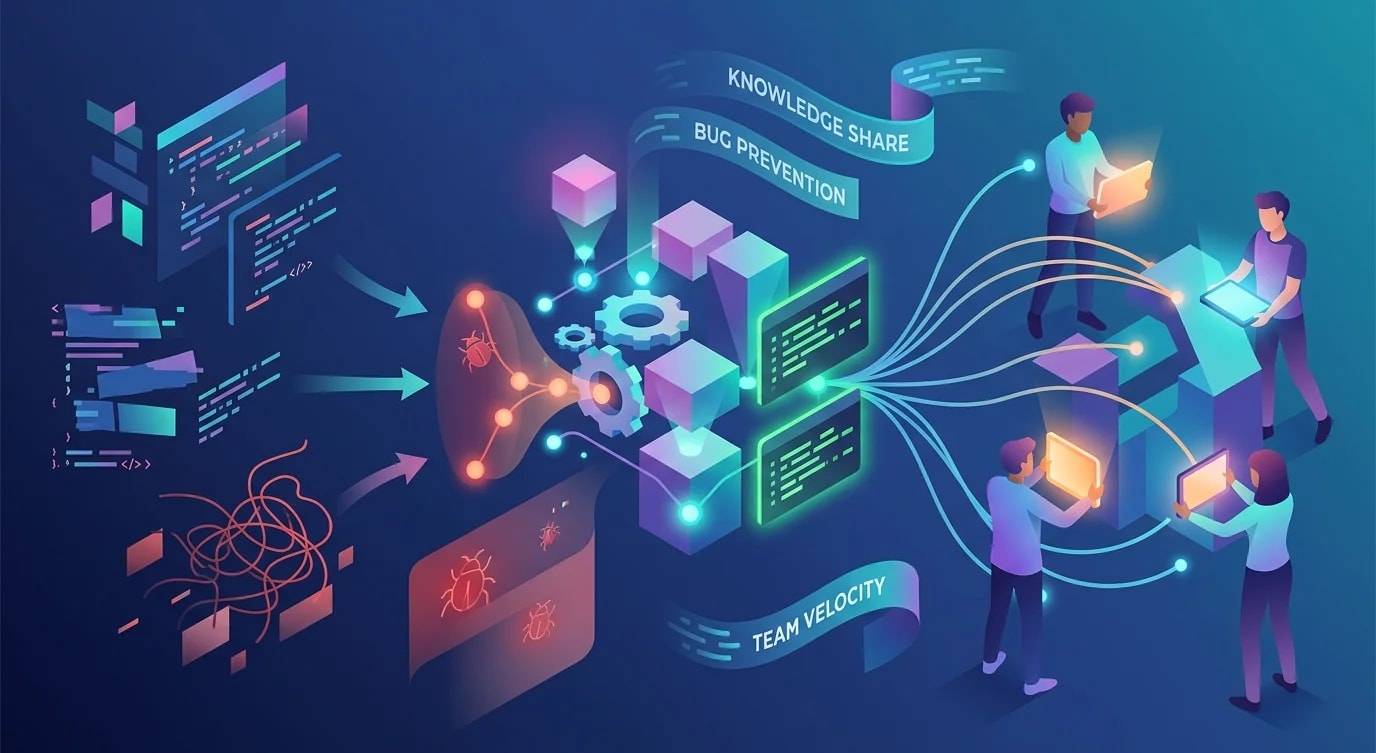
How to give code reviews that catch real bugs, share knowledge, and improve team velocity instead of creating bottlenecks.

The monorepo debate isn't about tools — it's about how your team communicates, deploys, and shares code across project boundaries.

Trunk-based, GitFlow, or something in between — how to pick a Git workflow that scales with your team without drowning in merge conflicts.