
Engineering
Implementing Feature Flags at Scale
Build a feature flag system with gradual rollouts, user targeting, A/B testing and kill switches — plus lifecycle patterns that prevent flag debt.
·5 min read
Tags
43 articles · Page 2 of 4
Build a feature flag system with gradual rollouts, user targeting, A/B testing and kill switches — plus lifecycle patterns that prevent flag debt.

Event sourcing for audit-heavy applications where every state change must be traceable: append-only stores, projections and snapshot strategies.

Replace legacy systems incrementally with route-based migration, feature flags, data synchronization and rollback strategies that keep production up.

Hexagonal architecture in TypeScript: ports define business contracts, adapters handle infrastructure, and dependency inversion keeps the domain testable.

Practical strategies for identifying, implementing and integrating bounded contexts: context mapping, anti-corruption layers and shared kernels.
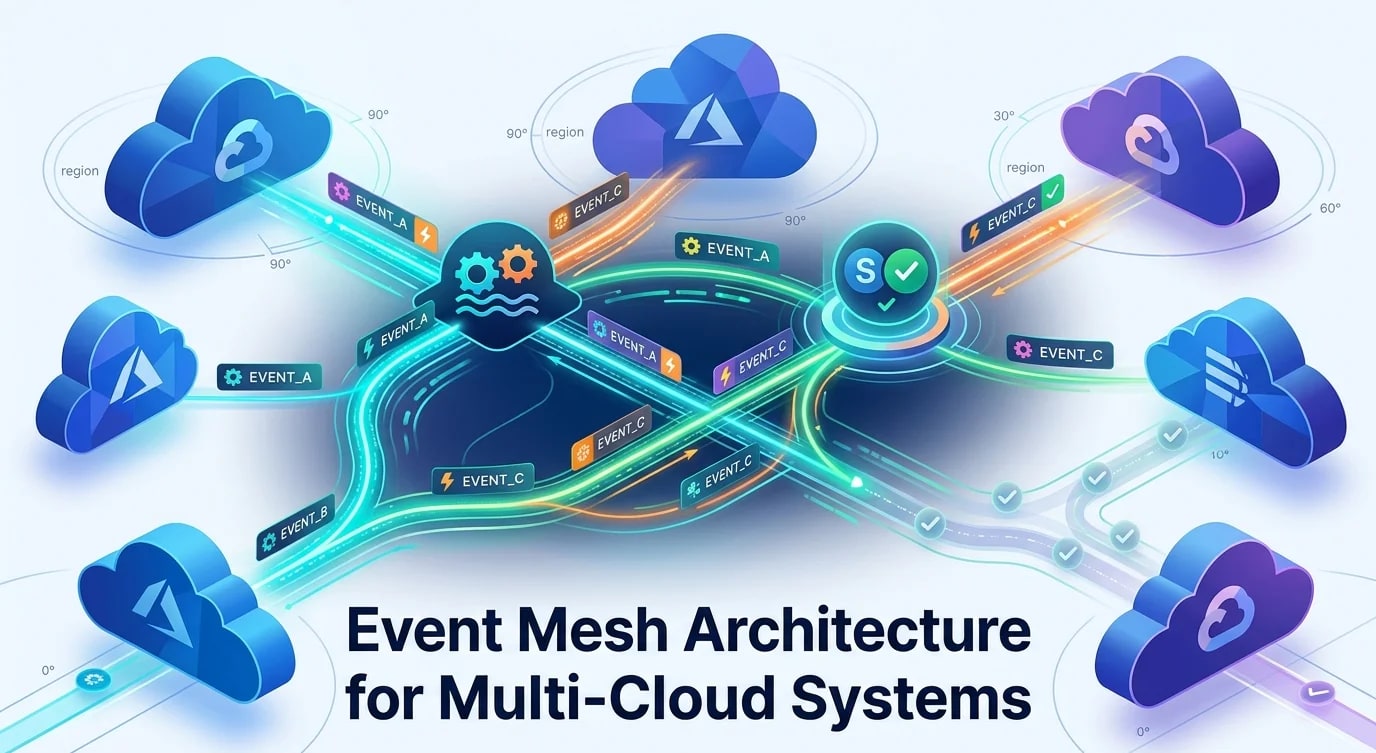
Design event mesh architectures that route events across clouds and regions with dynamic topic routing, protocol bridging and schema governance.
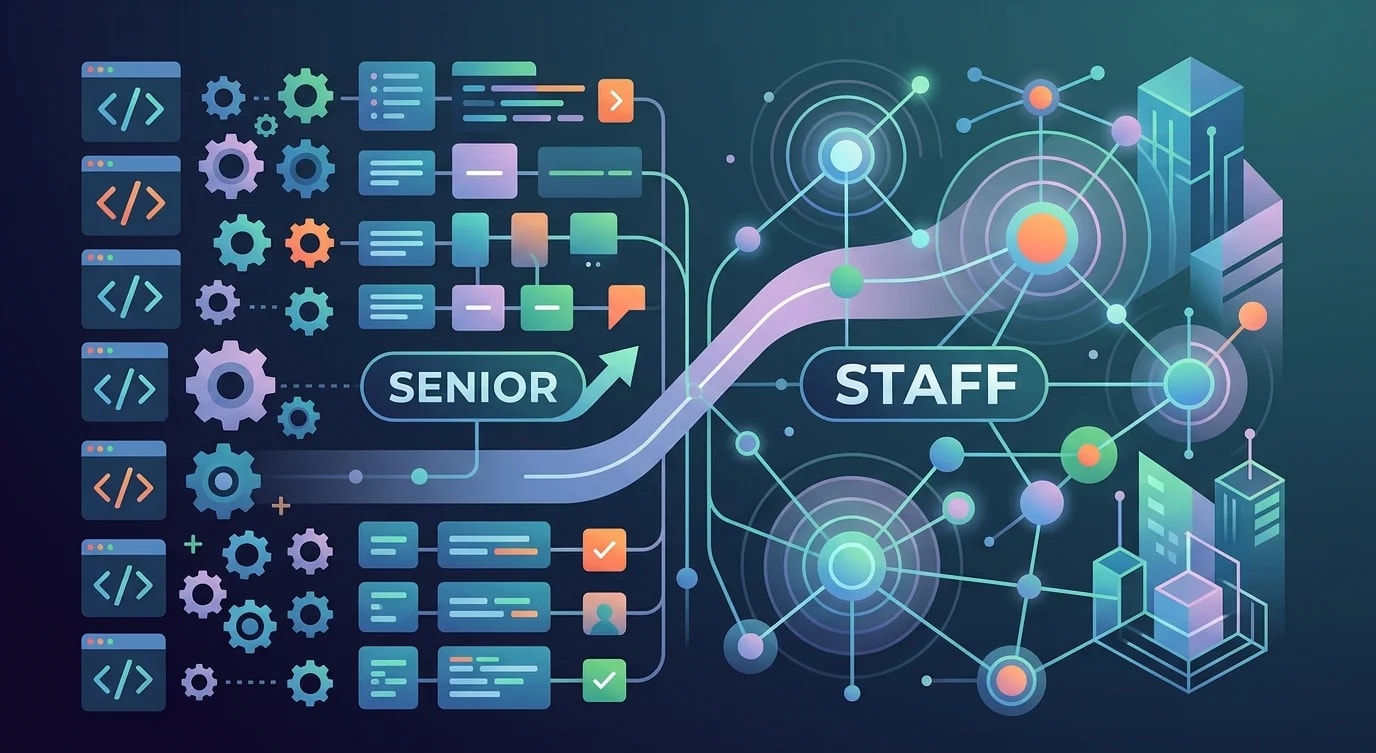
What staff engineering actually involves, how technical leadership differs from management, and how senior engineers grow into organizational impact.

Design cell-based architectures that isolate failures to small blast radii, allow independent scaling and stop cascading outages across distributed systems.

Distributed caching patterns in depth: cache-aside, write-through, read-through and the invalidation strategies that survive real consistency demands.
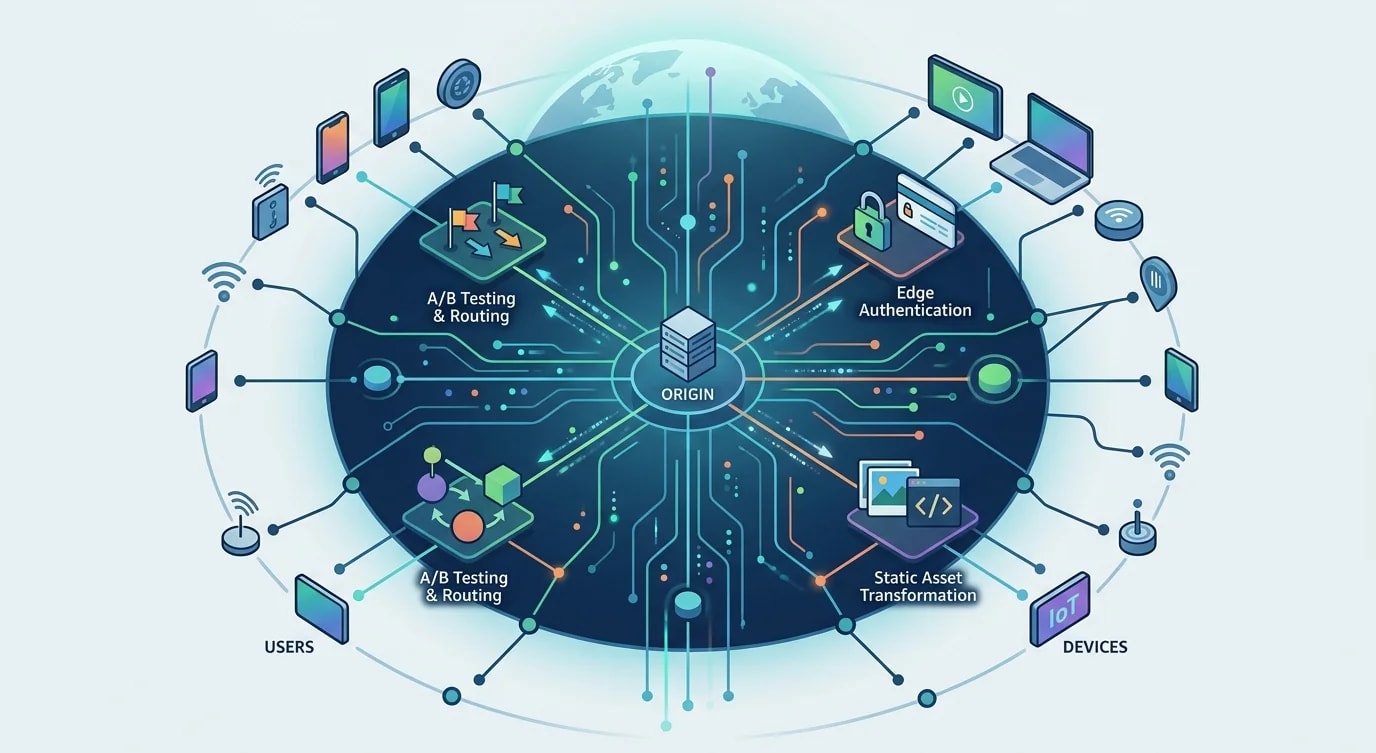
Explore edge computing patterns that bring computation closer to users, reduce latency, and enable new capabilities for modern web applications and APIs.

How to implement the saga pattern for distributed transactions across microservices: orchestration versus choreography, in TypeScript, with compensation.

How to implement hexagonal architecture (ports and adapters) in a real application: clear boundaries, dependency inversion and a testable core domain.