Architecture
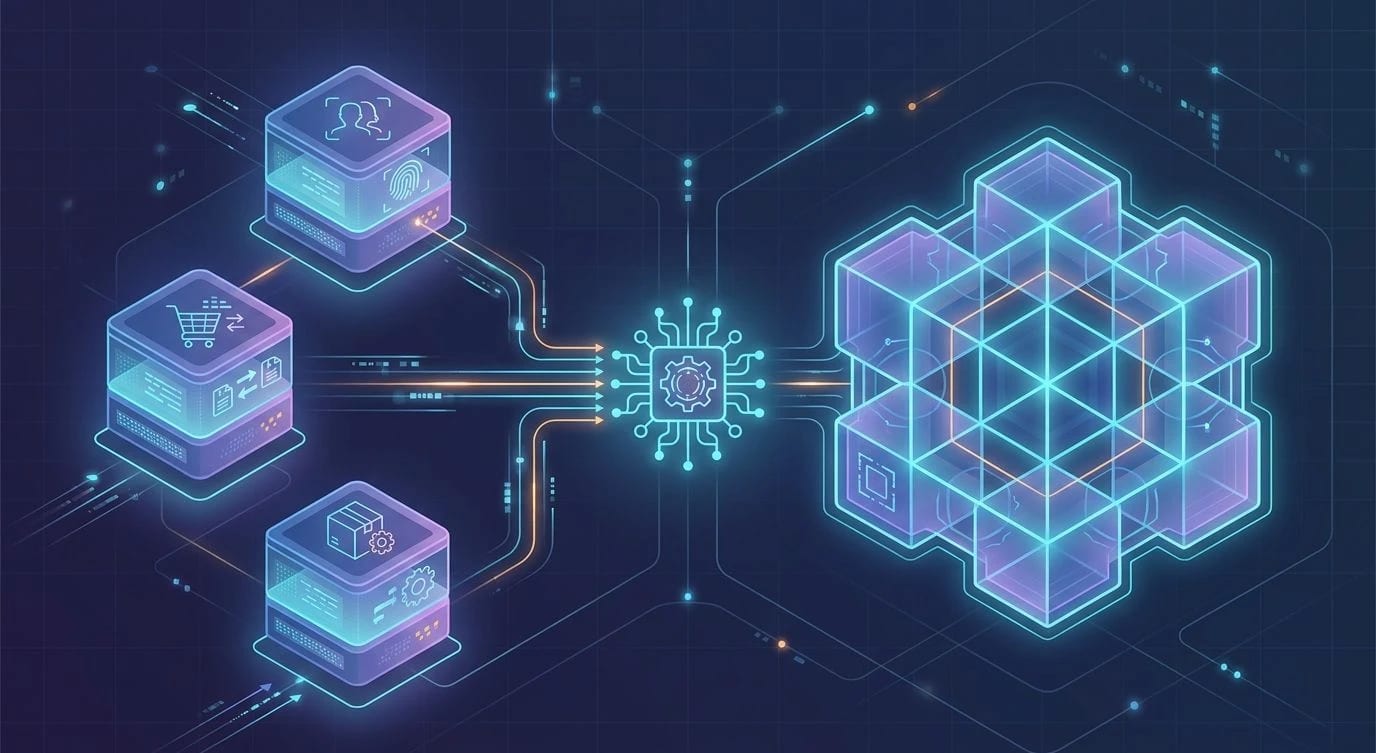
GraphQL Federation: Splitting a Schema Without Splitting Teams
A practical guide to GraphQL Federation for breaking up a monolithic schema across services without duplicating resolvers or gateway logic.
·4 min read
Tags
18 articles · Page 1 of 2
A practical guide to GraphQL Federation for breaking up a monolithic schema across services without duplicating resolvers or gateway logic.
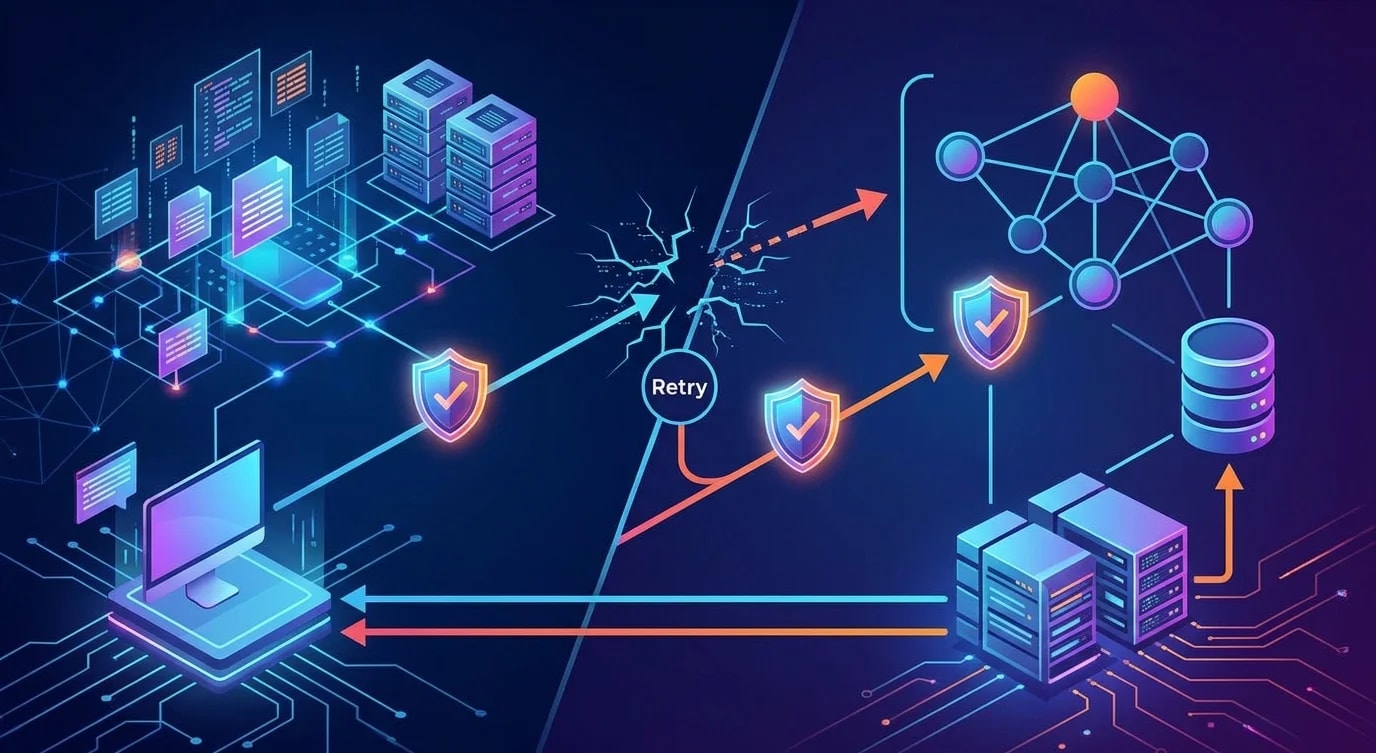
How to design and implement idempotency keys so retried requests never double-charge, double-send, or double-create resources.

Stop letting your API spec drift from your implementation — define the contract first, generate types for both sides, and let the compiler catch the gaps.

A practical guide to end-to-end type safety in GraphQL with schema-first code generation: typed resolvers, client query types and no runtime mismatches.

A deep dive into token bucket, sliding window and leaky bucket rate limiting, with distributed implementations in Redis and practical middleware patterns.
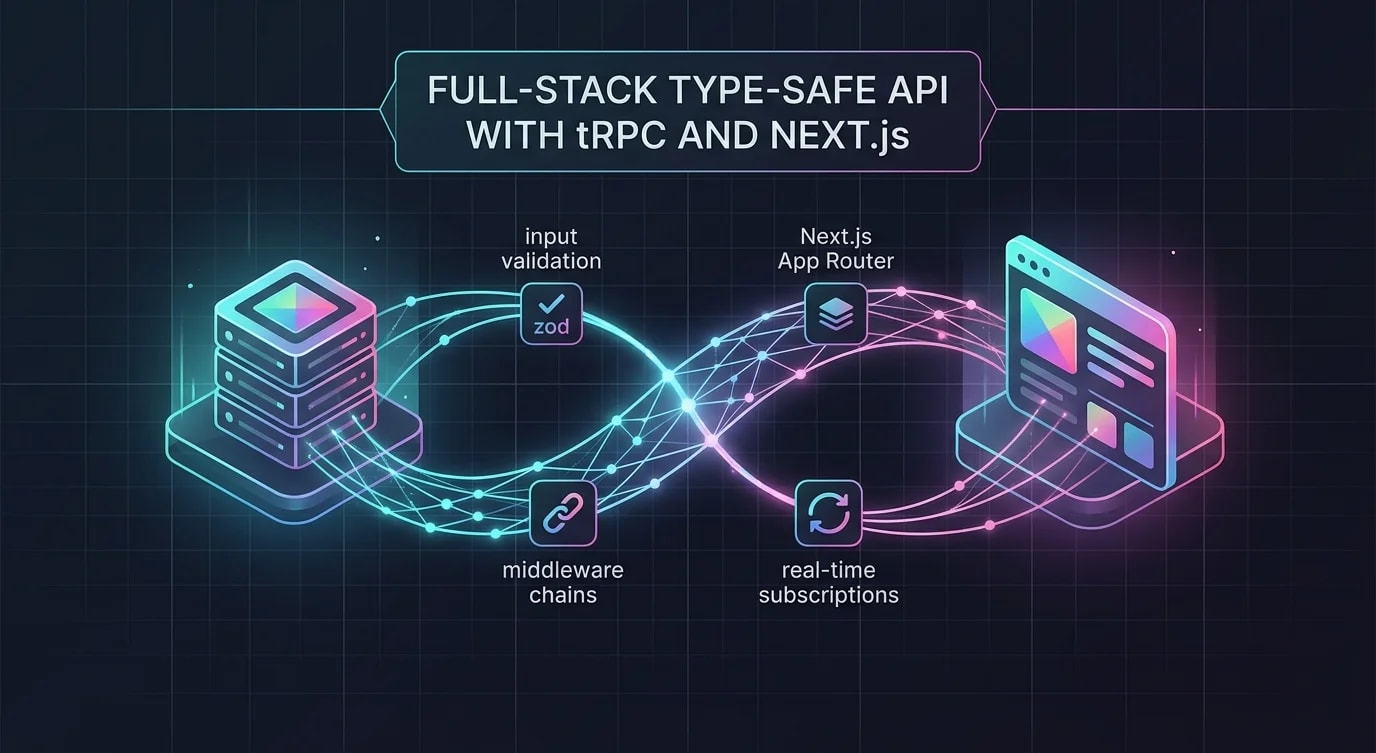
A complete tutorial on end-to-end type-safe APIs with tRPC and the Next.js App Router: router setup, middleware, input validation and subscriptions.

Build idempotent API endpoints that retry safely using idempotency keys, database constraints and state machines — payments, orders and webhooks.

Compare offset, cursor and keyset pagination with practical implementations: performance characteristics, trade-offs and where each one fits your API.
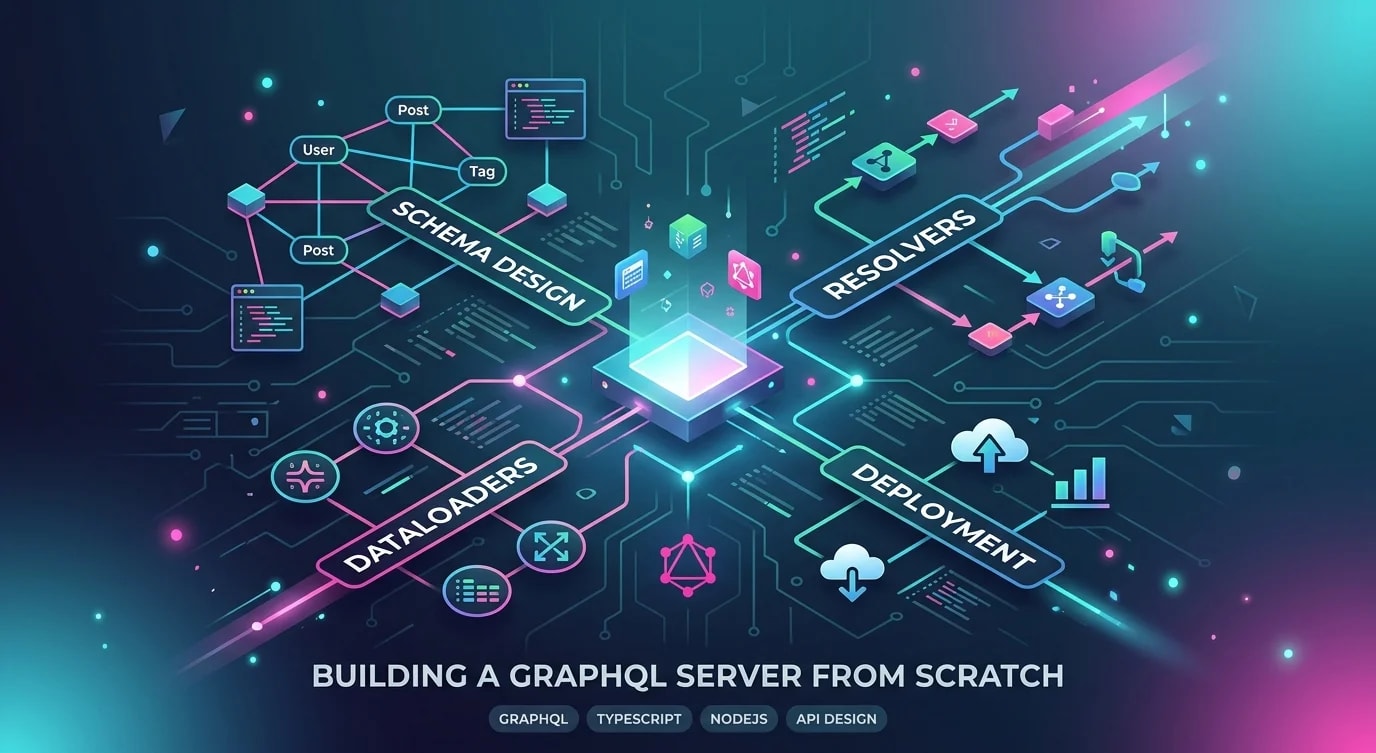
A step-by-step tutorial for a GraphQL server in TypeScript: schema design, resolvers, dataloaders against N+1, authentication, errors and deployment.

A step-by-step tutorial for rate limiters using token bucket, sliding window and fixed window — with TypeScript, Redis integration and production patterns.

A step-by-step tutorial for a URL shortener with short code generation, redirect handling, click analytics and rate limiting — schema through API.

A practical comparison of gRPC and REST for backend services: performance, developer experience, streaming, and the tradeoffs that decide between them.